 Save
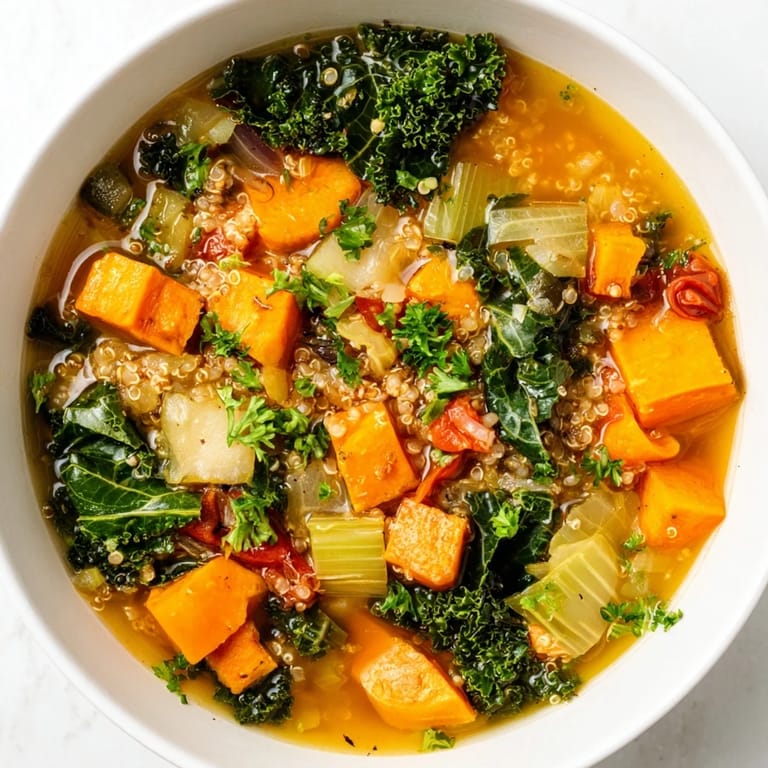
Save There's something about the first real cold snap of the year that makes me pull out my biggest soup pot and start chopping vegetables without a second thought. A few winters ago, I was standing in my kitchen on a gray afternoon, watching the light fade earlier than I expected, when I realized I had a pile of root vegetables that needed using and absolutely nothing in the mood for a heavy meal. That's when this soup came together—not from a recipe, but from the simple desire to make something warm that felt like it was actually good for me, something I could eat three days in a row and somehow want more of.
I made this soup for my neighbor one January after she mentioned being tired of takeout during a particularly brutal stretch of weather. She came over around lunchtime, and by the time the kitchen started smelling like thyme and caramelized onions, we'd moved on from talking about the cold to actually laughing about something ridiculous. That's when I knew this wasn't just a recipe—it was an invitation to sit down with someone and actually slow down for a moment.
Ingredients
- Olive oil: Just enough to get the onions and garlic singing before everything else joins in; don't be shy with it.
- Onion and garlic: These are your flavor foundation, so take the time to actually smell them as they soften—that's when you know they're ready for the next batch of vegetables.
- Carrots, celery, and parsnip: The holy trio that gives you both sweetness and earthiness; the parsnip especially adds something almost creamy without any cream at all.
- Sweet potato and regular potato (if you add one): They break down slightly and give the broth a subtle richness that makes people ask what your secret is.
- Kale or Swiss chard: Adds genuine substance and color; I prefer chard because it softens more gracefully, but kale is sturdier if you like texture.
- Cabbage: Seems like an odd choice until you taste how it becomes almost sweet after simmering, and it stretches the soup to feed more people than you expected.
- Tomatoes: Canned are actually better here because they've already broken down and their acidity brightens everything without needing to add anything else.
- Quinoa: Rinsed well so it doesn't taste bitter; it adds protein and a subtle nuttiness that makes this feel like an actual meal.
- Vegetable broth: Low-sodium so you control the seasoning; good broth makes the difference between soup that tastes homemade and soup that tastes like you followed a formula.
- Thyme, oregano, and bay leaf: Dried herbs are perfect here because they soften as the soup cooks and distribute their flavor evenly without any harsh edges.
- Parsley and lemon: The finishers that wake everything up at the very end; the lemon especially is optional but it's the moment where the soup goes from warm and filling to bright and alive.
Tired of Takeout? 🥡
Get 10 meals you can make faster than delivery arrives. Seriously.
One email. No spam. Unsubscribe anytime.
Instructions
- Build your flavor base:
- Heat the olive oil in your pot over medium heat, then add the diced onion and minced garlic. Watch them soften and turn translucent—it takes about 2 or 3 minutes, and you'll notice the kitchen starts to smell warm and inviting. This is the moment you're creating the foundation that every other flavor will sit on top of.
- Add the heartier vegetables:
- Toss in the carrots, celery, parsnip, and sweet potato, stirring occasionally for about 5 or 6 minutes. You want them to soften slightly at the edges but still hold their shape; they'll keep cooking later, so don't rush this part.
- Layer in the greens and tomatoes:
- Add the kale or chard (stems removed so they're not tough), the cabbage, and the tomatoes. Give everything a good stir and let it cook for another 2 minutes just to let the greens start releasing their color into the broth.
- Bring in the quinoa and broth:
- Pour in the rinsed quinoa, the vegetable broth, thyme, oregano, bay leaf, salt, and pepper. Stir once to make sure the quinoa is distributed throughout, then turn the heat up to bring it all to a rolling boil.
- Let it simmer and finish:
- Once it boils, lower the heat to medium-low, cover the pot, and let it sit for 25 to 30 minutes. The vegetables will become tender, the quinoa will get fluffy, and the broth will deepen in color. When everything looks soft and inviting, fish out the bay leaf, stir in the fresh parsley and a squeeze of lemon juice if you're using it, and taste to adjust the seasoning.
- Serve with intention:
- Ladle it into bowls while it's hot, and if you want, add a sprinkle of extra parsley on top or a crack of fresh pepper. This is a soup that deserves a moment to be appreciated.
 Save
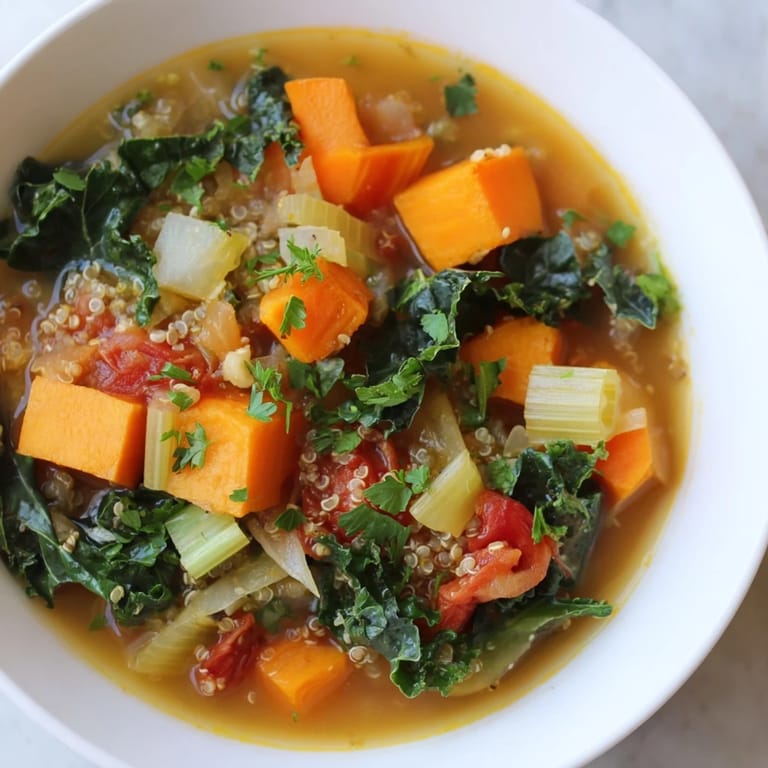
Save The real magic of this soup is realizing halfway through a bowl that you're not thinking about anything else—not your to-do list, not the weather, not whatever's been gnawing at you. It's just warm vegetables and broth and the simple fact that you made something good with your own hands.
Making It Your Own
This soup has an open architecture, which is a fancy way of saying you can swap things around based on what you have and what sounds good. If you have fresh thyme instead of dried, use it but add it near the very end so it doesn't lose its delicate flavor. If parsnips make you nervous, use more carrots instead. The constants are the onion and garlic for flavor, the broth to tie everything together, and whatever vegetables are in your crisper drawer that need eating.
Beyond the Basic Bowl
I've made this soup in about seventeen different variations now, and it's never failed me. Sometimes I add a can of white beans for extra protein and a creamier texture. Sometimes I throw in a handful of spinach right at the end instead of the kale. One afternoon, someone asked if I had any miso paste, so I stirred in a spoonful at the very end, and it added this incredible umami depth that made everyone stop and ask what I'd done differently.
Serving Suggestions and Small Moments
This soup is at its best with something to give you texture—crusty bread, a thick slice of whole-grain toast, or even some crackers if that's what you've got. I've also learned that serving it in bowls you actually like holding makes a difference; there's something about a warm ceramic bowl in your hands that turns eating soup from an obligation into a small ritual. The lemon juice at the end is optional in name only—it's really essential, so squeeze it in generously.
- If you want heat, add red pepper flakes to the oil before you add the onions so they bloom and distribute throughout.
- Leftover soup keeps in the fridge for about four days and actually improves as it sits, with flavors becoming more pronounced and settled.
- This freezes beautifully if you skip the fresh parsley and lemon until you reheat it, so make a double batch and thank yourself later.
 Save
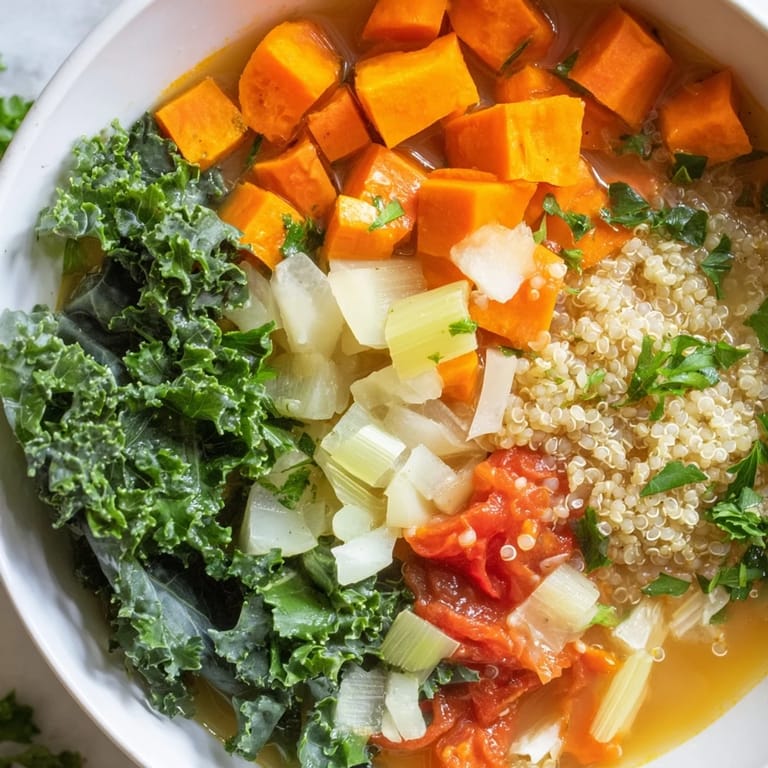
Save This soup has become the thing I make when I want to feel grounded, when someone I care about needs feeding, or when I just need the kitchen to smell like something real and honest. Make it, sit with it, and let it remind you that sometimes the best meals are the simplest ones.
Recipe FAQ
- → Which vegetables work best in this winter soup?
Root vegetables like carrots, parsnip, sweet potato, along with kale, cabbage, and tomatoes create a robust flavor and texture.
- → Can I substitute quinoa with other grains?
Yes, grains like barley or brown rice can be used but adjust cooking times accordingly.
- → How do the herbs enhance the soup?
Thyme, oregano, and bay leaf add aromatic depth, complementing the vegetables and quinoa subtly.
- → What is the best way to store leftovers?
Cool completely, store in airtight containers in the refrigerator for up to 4 days or freeze for longer.
- → Can I add protein to this dish?
Adding drained chickpeas or white beans boosts protein content while keeping the dish vegetarian and gluten-free.