 Save
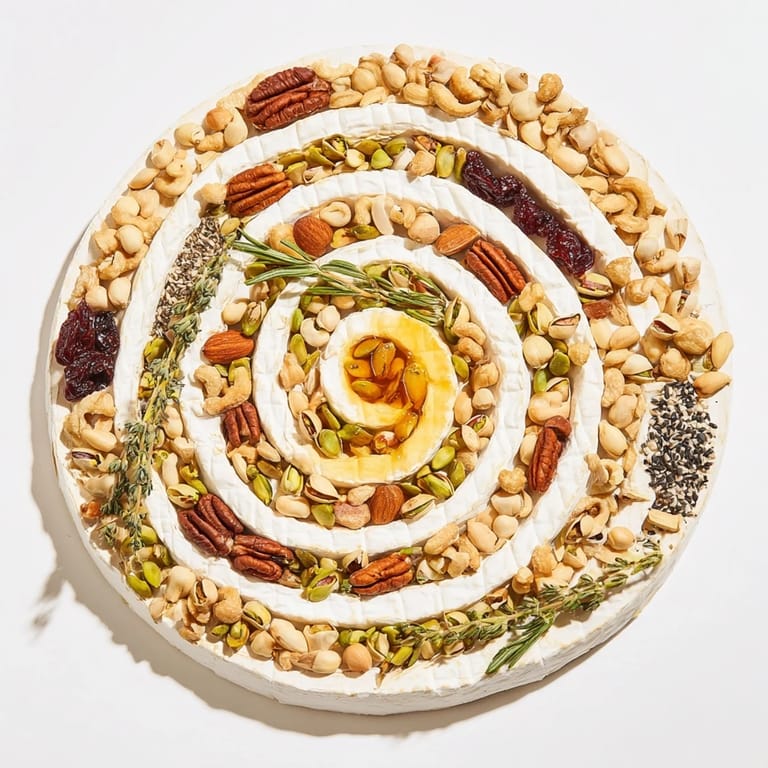
Save I discovered this magic at a dinner party where the host had arranged nuts and seeds in the most mesmerizing spiral pattern, all leading to a golden wheel of Brie at the center. My five-year-old nephew circled it three times before eating anything, completely enchanted by the idea that he had to follow the path to reach the prize. That moment stuck with me—the realization that food could be an adventure, not just something to consume. Now whenever I make this for gatherings, I watch people's faces light up the same way his did, and I remember why I fell in love with cooking.
My friend Sarah brought this to her daughter's birthday party, and instead of kids diving straight for dessert, they actually sat and followed the path, picking up nuts one by one like they were on some kind of treasure hunt. By the time they reached the cheese, they'd tried seeds and nuts they'd never eaten before. Her daughter asked for it at every gathering after that, which felt like the highest compliment possible.
Ingredients
- Raw almonds: Buy these unsalted if you can find them—they're milder and let the cheese shine instead of competing with salt.
- Roasted cashews: The creamiest option here, and they catch the light beautifully on the board.
- Pistachios: Their natural green color is non-negotiable for visual contrast; buy pre-shelled unless you love the extra work.
- Pecan halves: These are buttery enough that guests often mistake them for candies.
- Hazelnuts: Slightly earthier, they balance the sweetness of any dried fruit you add.
- Pumpkin seeds: They have this satisfying crunch that keeps people nibbling.
- Sunflower seeds: Use raw if possible—they're lighter in color and create better contrast on the board.
- Black and white sesame seeds: Mix them together visually for real drama and a nutty, subtle flavor.
- Flaxseeds: Tiny but mighty; they fill gaps and add an earthy note.
- Soft-ripened cheese wheel: Brie works best because it's forgiving and looks elegant, but Camembert is smaller and perfect for smaller groups.
- Dried cranberries or cherries: These add pops of color and a chewy contrast to all the crunchy elements.
- Fresh herbs: Thyme looks dainty on top of cheese; rosemary sprigs look more dramatic.
- Honey or agave: A light drizzle catches light and looks professionally styled.
Tired of Takeout? 🥡
Get 10 meals you can make faster than delivery arrives. Seriously.
One email. No spam. Unsubscribe anytime.
Instructions
- Sketch your vision (optional but worth it):
- Use a pencil to lightly trace a winding spiral or maze pattern on your board, working from the center outward. You're just creating a guide—guests won't see the pencil lines once the nuts are placed.
- Start at the center:
- Place the cheese wheel exactly in the middle of your design. This is your anchor point; everything else radiates outward from here.
- Build your first ring:
- Choose one type of nut or seed and line them up single-file along your pencil line, as close together as they'll naturally sit. The goal is a continuous path, not a gap-filled arrangement.
- Add contrast and movement:
- Move to the next segment of your path and switch to a different nut or seed—think black sesame next to white sesame, or almonds next to pistachios. This creates the visual rhythm that makes people stop and stare.
- Spiral outward patiently:
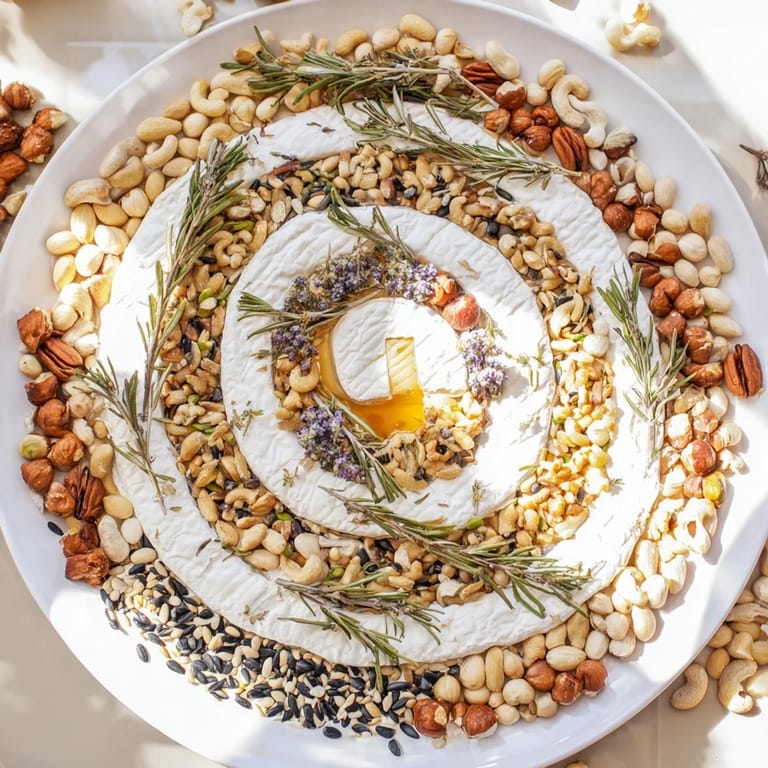
- Keep alternating types as you build the path outward, letting it meander or spiral depending on your mood. Take your time here; rushed placement looks scattered instead of intentional.
- Fill the spaces thoughtfully:
- Once your main path is done, scatter dried cranberries or cherries in the empty spaces between the path and the board edges. These fill visual gaps without competing with the main design.
- Finish the cheese:
- Top the cheese wheel with a small handful of fresh herbs and a light drizzle of honey. Let it pool slightly on top for that Instagram-worthy shine.
- Set out the tools:
- Place small forks or cocktail picks nearby, and watch guests genuinely puzzle over whether to use them or their fingers.
 Save
Save There was this moment at my sister's engagement party when her fiancé followed the entire labyrinth path slowly, picking up each nut, tasting it, and telling everyone why he loved it. He made it into this whole thing, this journey. That's when I realized this appetizer isn't really about being hungry—it's about giving people permission to slow down and be playful at events where everyone usually rushes.
Making It Your Own
This is one of those recipes where swapping ingredients isn't just allowed—it's encouraged. I've made this with macadamia nuts instead of hazelnuts, added pumpkin spice to the cheese's herb topping in fall, and once used candied pecans because that's what someone brought to a potluck. The structure stays the same, but your personal touch makes it feel truly yours. Just keep in mind that darker nuts read as heavier on the board, so if you're adding cocoa nibs or dark chocolate chips, balance them with something light like white seeds.
The Psychology of the Board
There's something about making people follow a path to food that transforms the whole experience. A regular cheese board is functional; this one is a story. I've noticed guests who usually stand off to the side at parties will actually engage with this, will actually try things they normally skip. It's like the maze gives them permission to be a little less polished, a little more curious. The cheese becomes a reward, but the journey is really what sticks with people afterward.
Serving and Pairing
I usually set this out about 20 minutes before the main course so people can graze without feeling like they're eating a whole meal. A light Sauvignon Blanc or crisp sparkling cider pairs perfectly because neither fights with the delicate cheese flavor. If you're serving this at an outdoor summer gathering, keep the cheese slightly cooler than room temperature—I'll even sit the board on a larger platter filled with ice for the first hour if it's warm outside. This keeps everything fresh and prevents the cheese from becoming overly soft before people have a chance to enjoy it.
- Offer both crackers and small forks so guests can choose their own adventure through the path.
- Refill the cheese knife between uses to keep flavors from mixing and muddying the taste.
- If the board sits longer than an hour, consider replacing any nuts that have absorbed moisture from the cheese's natural condensation.
 Save
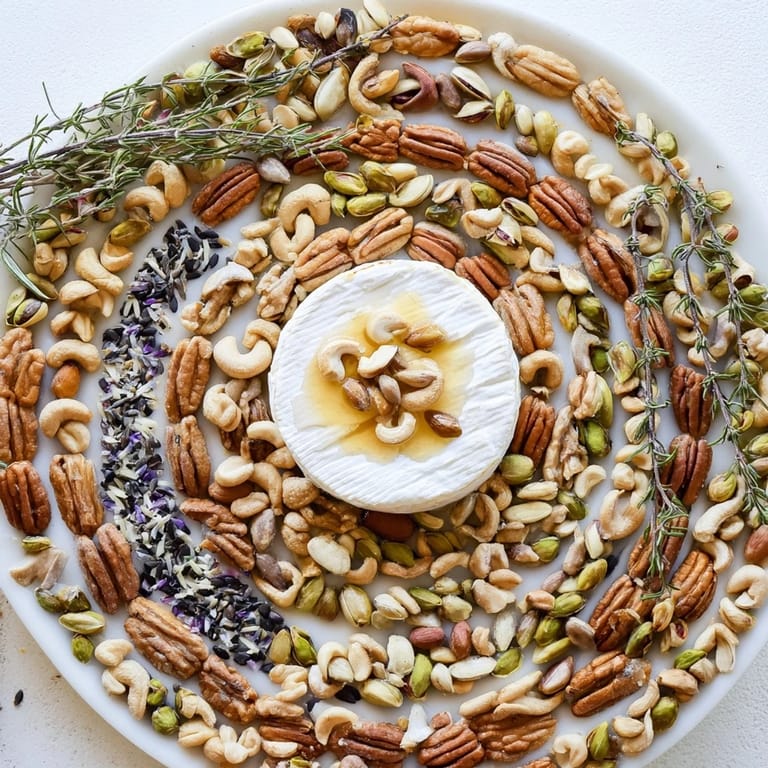
Save This labyrinth has become my secret weapon for making people feel welcome and delighted, often before they've even taken a bite. There's real magic in serving food that feels like an experience.
Recipe FAQ
- → What types of nuts work best in this arrangement?
Use a variety of nuts like almonds, cashews, pistachios, pecans, and hazelnuts for a mix of textures and flavors.
- → Can I substitute the cheese for a vegan alternative?
Yes, plant-based soft-ripened cheeses can replace dairy options to suit vegan preferences.
- → How can I add more color to the platter?
Include dried cranberries, cherries, or fresh herbs like thyme and rosemary as accents around the layout.
- → Is this suitable for gluten-free diets?
Absolutely, provided gluten-free seeds and nuts are chosen, the platter remains gluten-free.
- → What is the best way to serve this dish?
Present the labyrinth on a large platter with small forks or picks so guests can easily sample the elements.