 Save
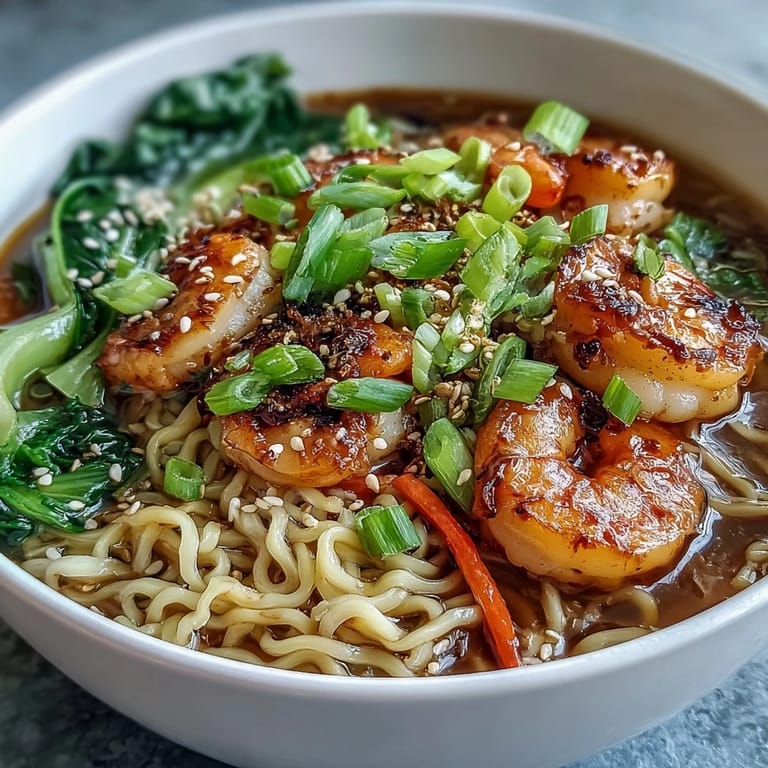
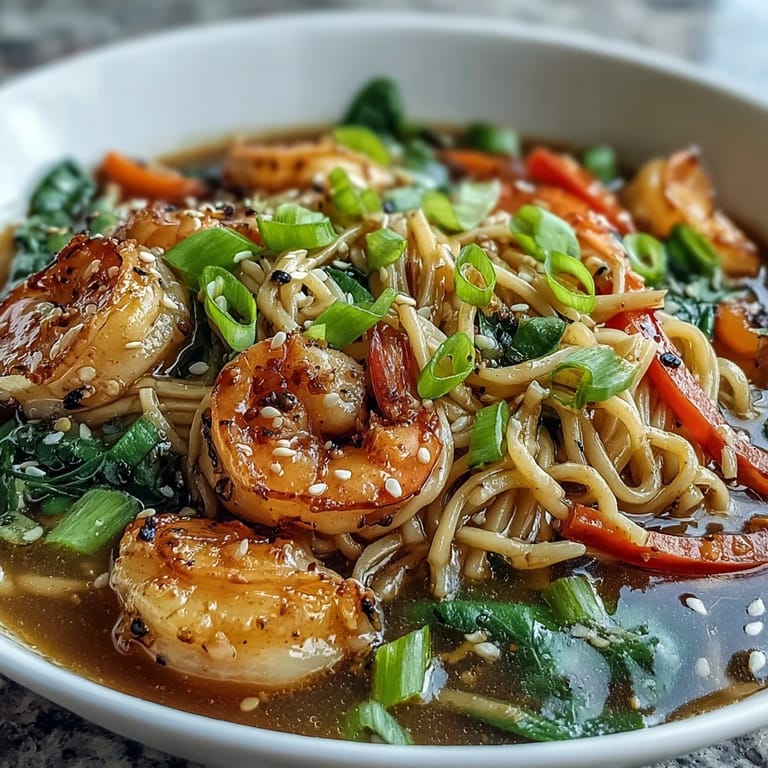
Save The smell of ginger hitting hot sesame oil is what hooked me on this bowl. I was trying to replicate a dish I'd had at a tiny noodle shop tucked behind a farmers market, and I kept adding more broth, more lime, more everything until my kitchen smelled like that little steam-filled corner. It wasn't perfect the first time, but it was close enough that I made it again the next night. Now it's the recipe I turn to when I want something that feels both comforting and alive, something that fills the kitchen with warmth before it even hits the bowl.
I made this for a friend who swore she didn't like scallops. She finished her bowl and asked if there were seconds. We sat at my tiny kitchen table with lime wedges piled on a saucer, and she admitted it was the texture she'd always been afraid of, but these were tender, not rubbery. That night taught me that good seafood, cooked gently and not a second too long, can change someone's mind completely.
Ingredients
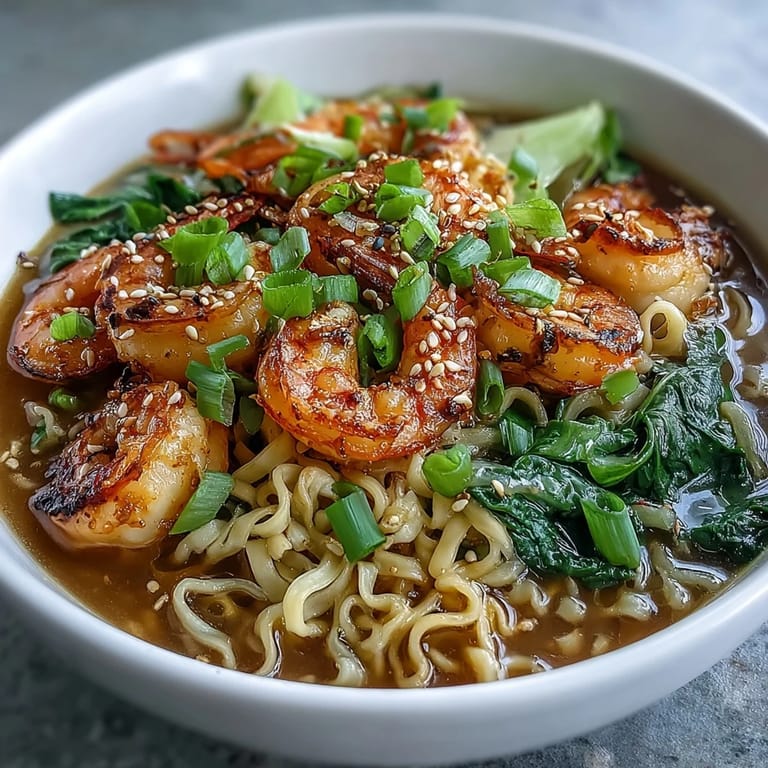
- Large shrimp, peeled and deveined: Look for shrimp that smell like the ocean, not fishy, and pat them dry before cooking so they sear instead of steam.
- Sea scallops, cleaned and patted dry: Dry scallops are key, moisture is the enemy of a good sear, and these should be opaque and tender after just a few minutes in the broth.
- Rice noodles or soba noodles: Rice noodles turn silky and slippery, soba adds a nutty backbone, either works beautifully as long as you rinse them after cooking to stop them from clumping.
- Carrot, julienned: Thin matchsticks cook quickly and add a slight sweetness that balances the salty, savory broth.
- Red bell pepper, thinly sliced: It stays crisp and brings color and a mild sweetness that doesn't overpower the dish.
- Snow peas, trimmed: They add crunch and a fresh, grassy note, just a few minutes in the broth is all they need.
- Baby bok choy, halved: The leaves wilt into the broth while the stems stay slightly firm, giving you two textures in one vegetable.
- Spring onions, sliced: Scatter these on top at the end for a sharp, fresh bite that cuts through the richness.
- Fresh ginger, grated: Use a microplane if you have one, it releases more juice and flavor than chopping, and the aroma when it hits the oil is instant comfort.
- Garlic cloves, minced: Two cloves might not sound like much, but they bloom in the oil and season the entire broth from the beginning.
- Low-sodium chicken or vegetable broth: Low-sodium lets you control the salt, especially once you add soy and fish sauce, which bring plenty of their own.
- Soy sauce: This is your salt and umami base, taste as you go because brands vary in intensity.
- Fish sauce: Just a tablespoon adds a deep, funky savory layer that makes the broth taste more complex than the effort suggests.
- Sesame oil: A little goes a long way, it's nutty and aromatic and should be added early to bloom in the heat.
- Rice vinegar: Brightens everything and keeps the broth from feeling one-note or too heavy.
- Chili paste (optional): Start with half a teaspoon if you're cautious, you can always add more at the table.
- Fresh cilantro leaves (optional): I know it's divisive, but if you love it, a handful on top makes the whole bowl feel fresher.
- Toasted sesame seeds: They add a quiet crunch and a toasted flavor that ties everything together.
- Lime wedges: A squeeze right before eating wakes up every flavor in the bowl.
Tired of Takeout? 🥡
Get 10 meals you can make faster than delivery arrives. Seriously.
One email. No spam. Unsubscribe anytime.
Instructions
- Prepare the noodles:
- Cook them according to the package, then drain and rinse under cold water to stop the cooking and prevent sticking. Set them aside while you build the broth.
- Bloom the aromatics:
- Heat sesame oil in a large pot over medium heat, then add ginger and garlic and stir for about a minute until the kitchen smells warm and inviting. Don't let them brown.
- Build the broth:
- Pour in the broth, soy sauce, fish sauce, and rice vinegar, then bring it to a gentle simmer. This is the backbone of the dish, so taste it now and adjust if needed.
- Cook the vegetables:
- Add the carrots, bell pepper, snow peas, and bok choy to the simmering broth. Let them cook for 3 to 4 minutes until they're just tender but still have a bit of snap.
- Poach the seafood:
- Slide in the shrimp and scallops and let them simmer gently for 2 to 3 minutes, just until opaque. Overcooked seafood turns rubbery, so watch closely.
- Adjust and finish:
- Taste the broth and add chili paste if you want heat, or a splash more vinegar if you want brightness. Trust your palate.
- Assemble the bowls:
- Divide the noodles among four bowls, then ladle the hot broth, seafood, and vegetables over top. The heat will warm the noodles through.
- Garnish and serve:
- Top each bowl with spring onions, cilantro, sesame seeds, and a lime wedge. Serve immediately while everything is hot and aromatic.
 Save
Save There was a rainy Tuesday when I made this alone, no one to impress, just me and a bowl and the sound of rain on the window. I realized halfway through eating that I was smiling, and that the ritual of building the broth and watching the vegetables soften had become as satisfying as the meal itself. It's the kind of dish that feels like care, both in the making and in the eating.
Choosing Your Noodles
Rice noodles are traditional and give you that slippery, delicate texture that soaks up broth beautifully. Soba noodles add a nutty, earthy flavor and a bit more chew, which I love when I want something heartier. Udon or even egg noodles work too, though they change the character of the dish slightly. Whatever you choose, just make sure to rinse them well after cooking so they don't turn gummy in the bowl.
Getting the Broth Just Right
The broth should taste bright and savory, not flat or one-dimensional. I've learned to taste it before adding the seafood, because once everything is in the bowl, it's harder to adjust. If it feels too salty, add a splash of water or more vinegar. If it's bland, a little more soy or fish sauce does wonders. The chili paste is optional, but even a small amount adds warmth without overwhelming the other flavors.
Storing and Reheating
This bowl is best eaten fresh, but if you have leftovers, store the noodles separately from the broth and seafood or they'll absorb too much liquid and turn mushy. Reheat the broth gently on the stove, add the seafood just to warm through, and pour it over fresh or reheated noodles. The vegetables might soften a bit more, but the flavors will still be there.
- Store broth and seafood in an airtight container in the fridge for up to two days.
- Keep noodles in a separate container, lightly oiled to prevent sticking.
- Reheat gently and don't boil the seafood again or it will toughen.
 Save
Save This bowl has become my answer to grey days, long weeks, and moments when I need something that feels both nourishing and a little indulgent. I hope it does the same for you.
Recipe FAQ
- → What type of noodles work best?
Rice noodles and soba noodles both work beautifully. Rice noodles offer a delicate texture that absorbs the savory broth, while soba provides a nutty flavor and satisfying bite. Udon or egg noodles make excellent alternatives if preferred.
- → How do I prevent overcooking the seafood?
Add shrimp and scallops during the final 2-3 minutes of simmering. Watch carefully—shrimp turn pink and opaque, while scallops become firm and white. Remove from heat immediately once cooked through to maintain tenderness.
- → Can I make this vegetarian?
Absolutely. Replace the shrimp and scallops with firm tofu cubes, adding them during the vegetable simmering stage. Use vegetable broth instead of chicken broth. The result remains satisfying with crispy tofu and the same aromatic flavors.
- → How spicy is this dish?
The base broth has gentle warmth from ginger and garlic. The optional chili paste lets you control the heat level—start with half a teaspoon and adjust to your preference. The fresh lime also balances flavors beautifully.
- → What vegetables can I substitute?
Snap peas work well instead of snow peas. Add sliced mushrooms, baby corn, or shredded cabbage for extra texture and nutrition. The flexible base adapts to whatever fresh vegetables you have on hand.
- → Can I prepare this ahead?
Prepare vegetables and broth up to a day in advance, storing them separately. Cook fresh when ready to serve. Leftovers keep well for 2-3 days—store noodles separately from broth to prevent sogginess.