 Save
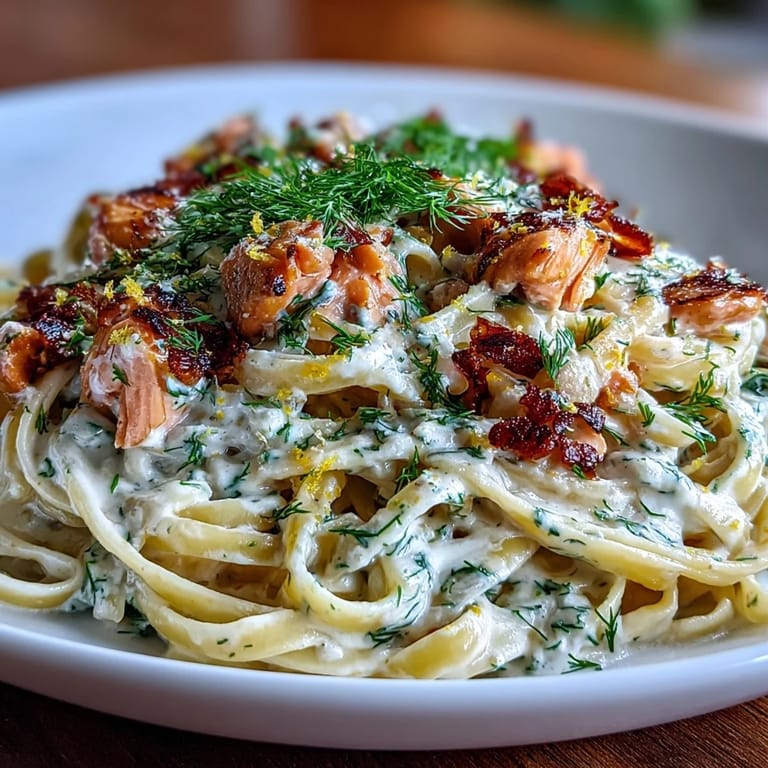
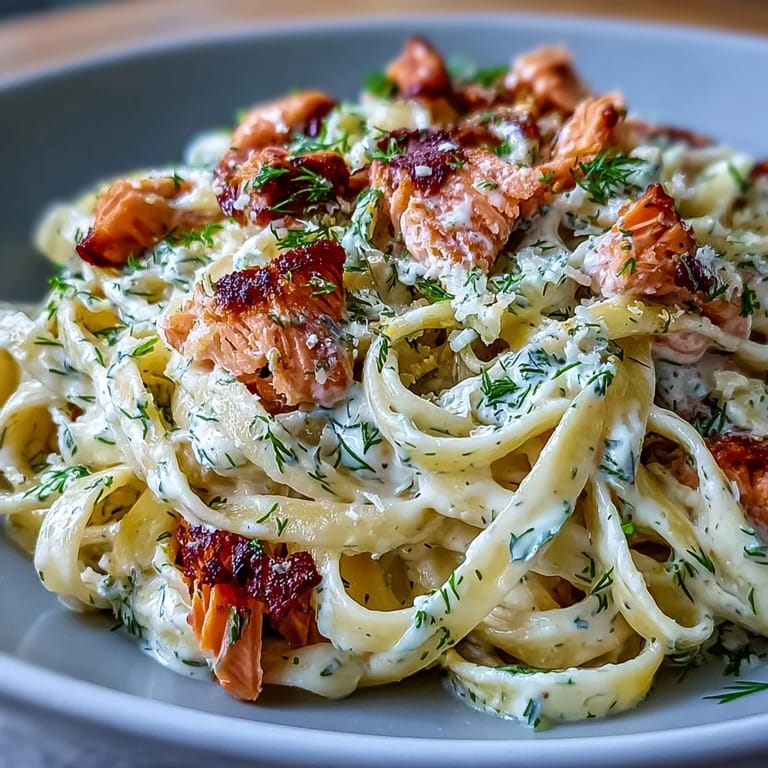
Save There's something about the smell of butter and garlic hitting a hot pan that makes everything else fade away. I discovered this salmon pasta on a Tuesday evening when I had exactly twenty minutes, a disappointing fridge, and three dinner guests arriving soon. What started as panic became this creamy, lemony dish that somehow felt both elegant and effortless. My friend Marco tasted it and asked for the recipe before he'd even finished his first bite. That moment taught me that simplicity, when done right, is its own kind of sophistication.
I made this for my sister's book club last spring, and someone actually asked if I'd ordered it from somewhere. The compliment stuck with me because the recipe never feels like showing off—it tastes refined without demanding precision. Everyone wanted to know the secret, and honestly, it's just good butter, patience with the shallots, and not overthinking it.
Ingredients
- Fettuccine or spaghetti (350 g): The shape doesn't matter as much as cooking it just shy of tender—you want it to hold up in the sauce without turning mushy.
- Unsalted butter (2 tbsp): This is your base, so use good butter; it makes a difference in how silky the sauce becomes.
- Garlic and shallot: Mince the garlic small and chop the shallot fine so they melt into the sauce rather than announcing themselves.
- Heavy cream (200 ml): Don't skip the cream or water it down with milk unless you want a thinner sauce—this is where the luxury lives.
- Dijon mustard (1 tsp): A small amount adds depth without making the dish taste mustardy; it's a background player that pulls everything together.
- Lemon zest and juice: Fresh lemon is non-negotiable here—it's what prevents the sauce from feeling flat or one-note.
- Hot-smoked salmon (150 g): Look for quality smoked salmon that flakes easily; avoid the paper-thin sliced kind that'll fall apart.
- Parmesan cheese (30 g): Grate it fresh right before cooking so it melts smoothly into the sauce.
- Fresh dill or parsley: Dill pairs beautifully with salmon, but parsley works if that's what you have on hand.
Tired of Takeout? 🥡
Get 10 meals you can make faster than delivery arrives. Seriously.
One email. No spam. Unsubscribe anytime.
Instructions
- Get your water going:
- Bring a large pot of salted water to a rolling boil—the water should taste like the sea. This is where your pasta gets its flavor, so don't skimp on salt.
- Cook the pasta:
- Add your pasta and cook until it's al dente, which usually means a minute or two before the package says. Before you drain it, scoop out a mugful of that starchy cooking water—you'll need it soon.
- Start the sauce base:
- While the pasta cooks, melt your butter in a large skillet over medium heat. It should foam gently, not brown or pop aggressively.
- Soften the aromatics:
- Add your minced garlic and finely chopped shallot to the melted butter and let them cook together for two to three minutes, stirring occasionally. You're looking for them to turn soft and fragrant without browning.
- Build the cream sauce:
- Pour in the heavy cream, add the Dijon mustard, and grate in your lemon zest while squeezing the juice directly into the pan. Let this simmer gently for two to three minutes, stirring occasionally so it doesn't stick.
- Add the salmon:
- Scatter the flaked salmon into the sauce along with half of your fresh herbs. Stir gently and let everything warm through for about a minute—the salmon is already cooked, so you're just integrating it.
- Bring it together:
- Add your drained pasta to the skillet and toss everything together, pouring in that reserved pasta water a splash at a time until the sauce coats every strand. The starch from the water helps the sauce cling to the pasta and keeps it silky.
- Finish and serve:
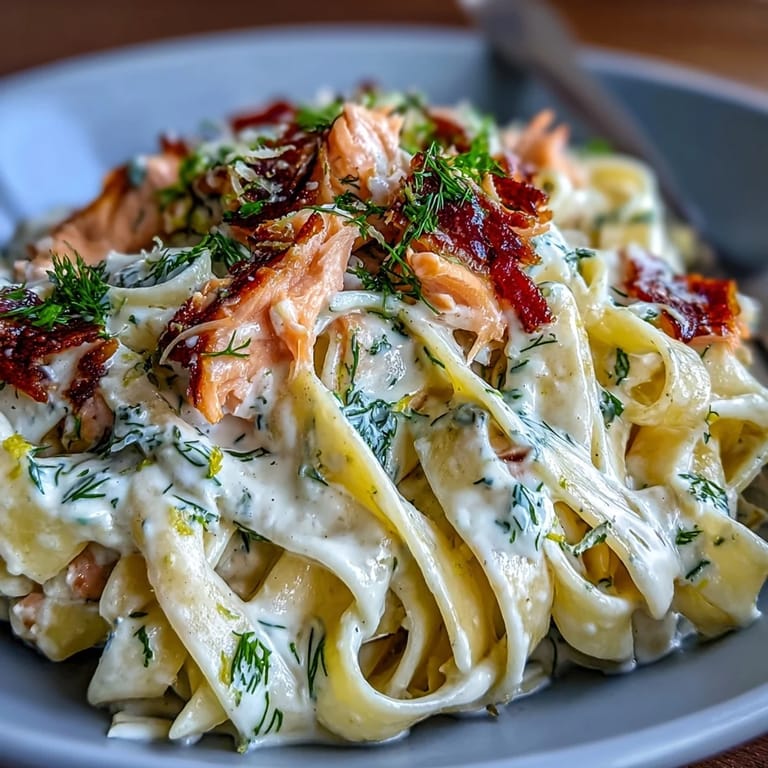
- Shower the whole pan with grated Parmesan, grind in fresh black pepper, and taste for salt. Plate immediately while everything is still warm and beautiful, topping with your remaining herbs and an extra pinch of lemon zest if you like.
 Save
Save There was a moment mid-meal when the whole table went quiet for a few seconds, just eating. No one was talking or reaching for their phones—they were just present with their plates. That's when I realized this dish does something simple but powerful: it makes people slow down and pay attention to what they're tasting.
Why Smoked Salmon Works Here
Hot-smoked salmon is already cooked and flakes apart at a touch, which means you're not managing another protein while juggling pasta and sauce. The smoke adds a subtle depth that plays beautifully against the bright lemon and fresh herbs. Unlike fresh salmon, which needs careful handling and precise timing, smoked salmon lets you focus on getting the cream sauce right, which is where the magic actually lives.
Adapting It to What You Have
One night I only had smoked trout in the fridge, and honestly, it was just as good as salmon—maybe even more delicate. You can swap the cream for a half-and-half mixture if you want something lighter, though you'll lose a bit of that luxurious mouthfeel. White wine is optional but worth adding if you have it open; a splash after sautéing the shallot adds complexity and a subtle acidity that makes the whole dish sing.
Serving and Pairing Ideas
This dish is elegant enough for company but simple enough for a Thursday night when you're tired. A crisp white wine like Sauvignon Blanc or Pinot Grigio cuts through the richness beautifully, and a simple green salad on the side keeps things balanced without adding fuss. I've also served it with crusty bread to soak up any extra sauce, and nobody complained about that decision.
- Serve immediately while the pasta is hot and the sauce still clings to every strand.
- A small arugula salad dressed with lemon vinaigrette makes an excellent light counterpoint.
- Crusty bread is optional but highly recommended for sauce-soaking purposes.
 Save
Save This pasta reminds me that the best meals don't require hours in the kitchen or a long list of exotic ingredients. Sometimes all you need is good butter, fresh lemon, and the willingness to let simple things taste delicious.
Recipe FAQ
- → Can I use fresh salmon instead of hot-smoked?
Yes, you can substitute fresh salmon. Pan-sear cubed fresh salmon for 3-4 minutes before adding the cream, or bake it separately and flake it into the finished dish. The flavor will be milder than hot-smoked salmon.
- → What pasta shapes work best?
Fettuccine, spaghetti, linguine, or tagliatelle are ideal as the creamy sauce clings beautifully to long strands. Short pasta like penne or fusilli also works if that's what you have on hand.
- → How do I store leftovers?
Store cooled pasta in an airtight container in the refrigerator for up to 2 days. Reheat gently with a splash of cream or pasta water to restore the silky sauce texture. The pasta may absorb more liquid overnight.
- → Can I make this dairy-free?
Substitute the heavy cream with full-fat coconut cream or a dairy-free cream alternative. Use vegan butter and nutritional yeast or dairy-free Parmesan in place of regular Parmesan cheese.
- → Why is my sauce too thick?
The sauce naturally thickens as it cools and the pasta absorbs liquid. Simply add more reserved pasta water, a tablespoon at a time, while tossing over low heat until you reach the desired silky consistency.