 Save
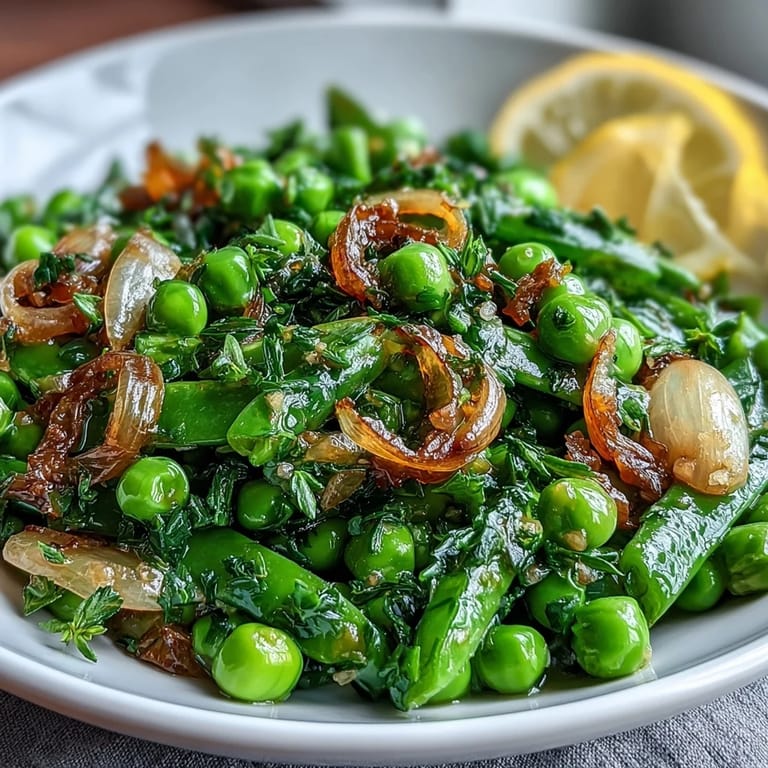
Save There's a moment every spring when I open the farmers market bag and suddenly remember why I love cooking at all—it's the smell of fresh radishes still dusted with soil, the snap of sugar snap peas between your fingers, that electric green of new greens. That's when this salad finds its way onto my table, not because I'm following a recipe, but because the season itself demands it. The first time I made this version, I had leftover lemon zest from a cake and a half-empty jar of Dijon mustard, and somehow those became the foundation for something I've been making ever since.
I made this for a potluck last April when someone asked me to bring something that didn't require heating up the oven—it was unseasonably warm that day, and everyone kept coming back to it. One friend, who normally picks around anything green, actually ate two bowls and asked for the vinaigrette recipe. That's when I realized it wasn't about the salad being "healthy," it was about how the bright acidity and gentle sweetness made every single vegetable taste like itself, but better.
Ingredients
- Mixed spring greens (4 cups): Use arugula, baby spinach, and watercress for layers of flavor and texture—they wilt slightly under the warm dressing without turning into mush.
- Sugar snap peas (1 cup): Slice them diagonally; it's not just pretty, it exposes more surface area to the vinaigrette.
- Fresh or frozen green peas (1 cup): Frozen works beautifully here and you don't need to cook them—they thaw against the warm greens and stay bright.
- Radishes (6): Slice them paper-thin on a mandoline if you have one; this is where patience actually changes the dish.
- Red onion (1/4 small): The thin slices soften slightly as they sit, becoming sweet and less harsh.
- Extra virgin olive oil (1/4 cup): Don't skimp here—this is the base note of the whole composition.
- Fresh lemon juice (2 tablespoons): Use a lemon you can feel is heavy with juice; squeeze it by hand and strain out any pulp.
- Lemon zest (1 teaspoon): Zest right before making the vinaigrette so it's aromatic and alive.
- Dijon mustard (1 teaspoon): This is the emulsifier that makes the dressing cling to everything.
- Honey (1 teaspoon): Just enough to balance the acidity and round out the flavor.
- Sea salt and black pepper (1/2 teaspoon and 1/4 teaspoon): Taste as you go; you might find you need slightly more depending on the lemon.
- Fresh chives (2 tablespoons): Chop them just before serving so they don't bruise and turn dark.
- Feta cheese (2 tablespoons, optional): Crumble it loosely over the top; it adds a salty contrast that makes everything pop.
Tired of Takeout? 🥡
Get 10 meals you can make faster than delivery arrives. Seriously.
One email. No spam. Unsubscribe anytime.
Instructions
- Gather your vegetables:
- Wash and thoroughly dry all your greens in a salad spinner—moisture is the enemy of a good vinaigrette, and damp leaves will dilute the dressing. Trim the sugar snap peas and slice them on the diagonal, then slice your radishes as thin as you can manage, almost to the point of transparency.
- Build the salad base:
- In your largest salad bowl, toss together the greens, sugar snap peas, fresh peas, radishes, and red onion. Don't be timid about the amount of vegetables—this should look overflowing before the dressing goes in.
- Make the vinaigrette:
- In a small bowl or jar, combine the olive oil, lemon juice, lemon zest, Dijon mustard, honey, salt, and pepper. Whisk vigorously for about thirty seconds until the mixture turns slightly lighter and emulsified—you'll feel it thicken just slightly under the whisk.
- Dress and toss:
- Pour the vinaigrette over the salad and toss very gently, using a turning motion rather than aggressive stirring so the delicate peas and greens don't bruise. Taste a leaf and adjust salt and lemon to your preference; it should taste bright and alive, almost tingling on your tongue.
- Plate and garnish:
- Transfer to a serving platter or individual bowls immediately, then scatter the chopped chives and crumbled feta over the top. Serve right away while everything is still crisp and the greens haven't had time to wilt.
 Save
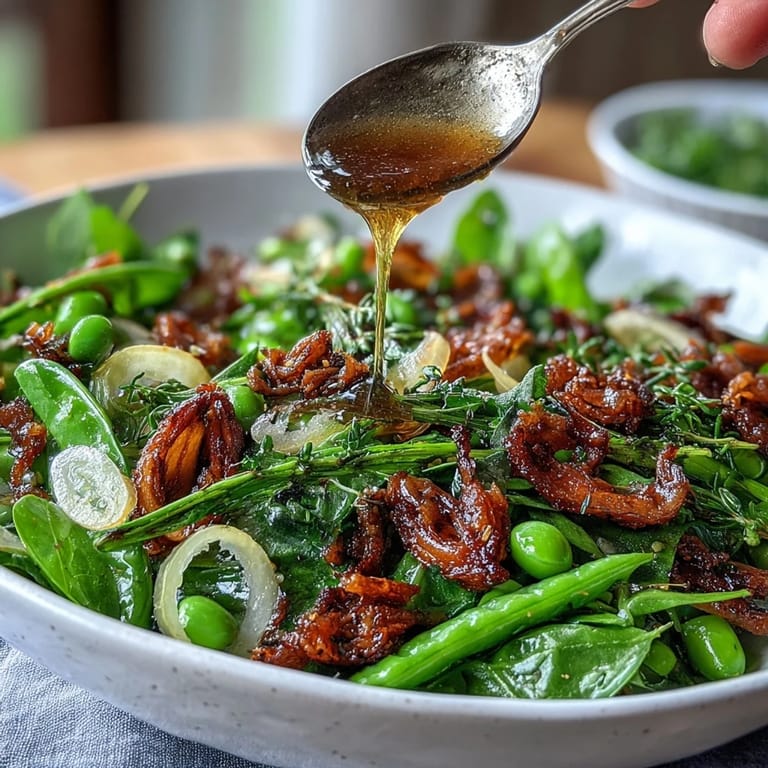
Save There's something almost meditative about standing in your kitchen on a bright afternoon, lemon zest under your fingernails, the smell of fresh herbs in the air, and you realize that something this simple and this beautiful can come from your own hands. That's what this salad became for me—not a task, but a small daily ritual of celebrating good ingredients.
Why Lemon Makes Everything Better
I used to think vinaigrette was just oil and vinegar, and I made my salads taste somehow flat and one-dimensional. Then someone mentioned that lemon juice—fresh, bright, acidic—behaves differently in a dressing because it has less harshness and more complexity than most vinegars. The zest adds another layer of flavor that you can actually taste separately from the juice, which sounds small but changes everything. Now whenever I make a vinaigrette, I think of lemon first, and the dish automatically feels lighter and more alive.
How to Know When Your Vinaigrette Is Actually Emulsified
The first time I made a proper emulsified vinaigrette, I whisked for about five seconds and poured it over the salad, only to watch it separate into oil and acid pools within minutes. That taught me to keep whisking longer—you're looking for the mixture to lighten in color slightly and look almost creamy, almost like a loose mayonnaise. It should cling to your whisk and fall back slowly, not run straight off. This is the moment you know the mustard is actually bonding the oil and acid together, and your dressing will coat everything instead of sliding off.
Making It Your Own
The beauty of this salad is that it's more of a framework than a rigid recipe, and once you understand the balance—bright acid, good fat, a little salt, a whisper of sweetness—you can build it differently every time. I've made it with mint instead of chives, added toasted sunflower seeds for crunch, even thrown in some crispy chickpeas when I had them on hand. The vinaigrette formula stays the same, but the vegetables change with what looks best at the market that week.
- Swap in fresh herbs like mint, tarragon, or chervil if you have them; spring is the season for trying new combinations.
- Add nuts or seeds—toasted almonds, pumpkin seeds, or sunflower seeds add a textural contrast that makes the whole dish more interesting.
- If you're making this for a meal with protein, serve it alongside grilled chicken, salmon, or even soft goat cheese for a heartier dish.
 Save
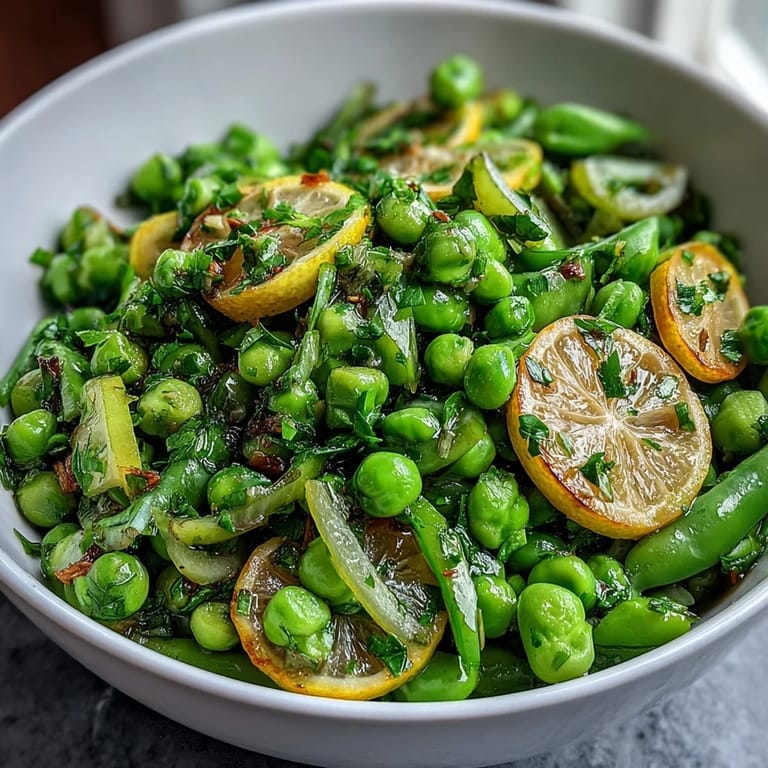
Save This salad arrived in my life as a simple way to celebrate spring, and it's stayed because it reminds me that good cooking doesn't have to be complicated—it just needs to taste honest. Make it today, make it tomorrow, and let the season decide what you're cooking.
Recipe FAQ
- → What greens work best for this salad?
Mixed spring greens like arugula, baby spinach, and watercress provide fresh, tender textures that complement the vinaigrette and vegetables well.
- → How do I make the lemon vinaigrette?
Whisk together extra virgin olive oil, fresh lemon juice, grated lemon zest, Dijon mustard, honey, sea salt, and freshly ground black pepper until emulsified.
- → Can I make this salad ahead of time?
For best freshness, toss the greens and vegetables with the vinaigrette just before serving to avoid wilting.
- → Is there a way to add protein to this salad?
Grilled chicken or salmon pairs excellently, adding satisfying protein without overwhelming the fresh flavors.
- → How can I make this dairy-free?
Simply omit the crumbled feta or substitute with a plant-based alternative to keep it dairy-free without compromising taste.