 Save
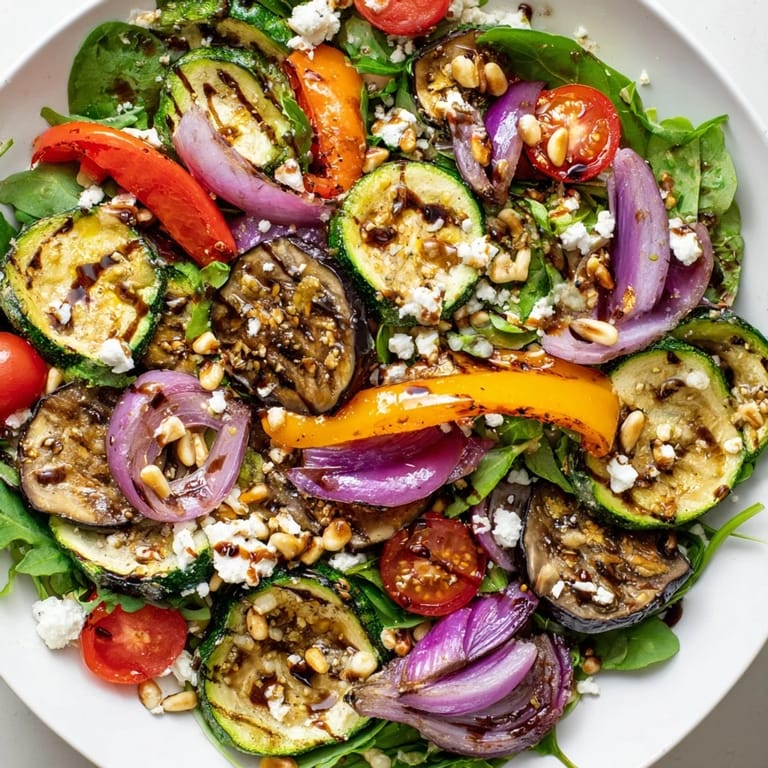
Save There's something magical about the moment vegetables hit a hot oven and start to caramelize, filling your kitchen with this rich, almost sweet aroma that makes you forget you're eating salad. I discovered this particular combination during a late summer when I had too many vegetables from the farmer's market and not enough ideas. What started as an attempt to use them up before they wilted became the dish I now make whenever I want something that feels both substantial and bright, whether I'm cooking for myself or unexpected guests showing up at dinner time.
I remember serving this to my neighbor who'd been skeptical about eating more vegetables, and watching her ask for the dressing recipe halfway through her plate was one of those quiet victories that stuck with me. She'd expected something virtuous and tasteless, but instead found something she actually wanted to eat again the next week.
Ingredients
- Zucchini: Medium size roasts more evenly than oversized ones, and the key is not to skip stirring halfway through so they caramelize instead of steam.
- Red and yellow bell peppers: The color difference matters less than cutting them to roughly the same size so everything finishes at once.
- Red onion: Wedges stay together better than thin slices and develop a sweet, jammy quality when roasted.
- Eggplant: Cube it smaller than the other vegetables since it takes slightly longer to soften, and salting it first helps it brown better.
- Cherry tomatoes: Halving them prevents them from rolling everywhere and lets them caramelize at the edges.
- Olive oil: Use the regular kind for roasting, not your expensive extra virgin, since heat wastes its delicate flavor.
- Dried Italian herbs: A single teaspoon distributed evenly matters more than the specific blend you choose.
- Mixed salad greens: Any combination works, though something slightly peppery like arugula stands up better to warm vegetables than tender butter lettuce.
- Extra virgin olive oil for dressing: This is where that good olive oil belongs, where its flavor can actually be tasted.
- Balsamic vinegar: Don't buy the cheapest bottle, but you don't need aged balsamico either, just something that tastes pleasantly tangy.
- Dijon mustard: It emulsifies the dressing so it clings to the vegetables instead of pooling at the bottom of the plate.
- Garlic: Minced fine so it distributes evenly without any harsh raw bites catching you off guard.
- Honey: A small amount balances the vinegar's sharp edge, though maple syrup works equally well if that's what you have.
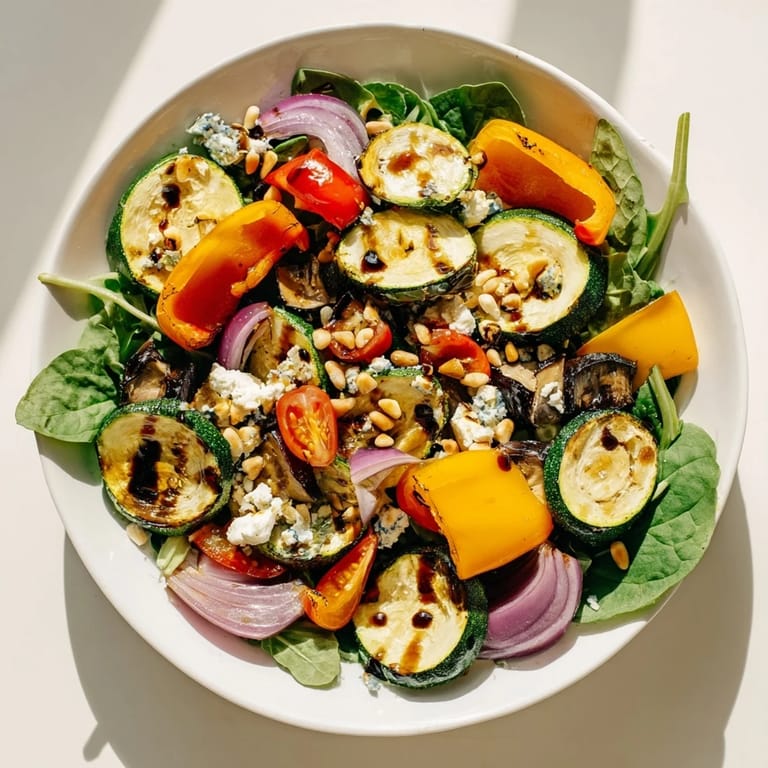
- Pine nuts or walnuts: Toast them yourself if you can, since pre-toasted ones often taste stale by the time you use them.
Tired of Takeout? 🥡
Get 10 meals you can make faster than delivery arrives. Seriously.
One email. No spam. Unsubscribe anytime.
Instructions
- Get your oven singing hot:
- Preheat to 425°F and let it sit for a full minute after the preheat beep so it's genuinely hot when your vegetables hit the sheet. Line a large baking sheet with parchment paper so cleanup doesn't become the worst part of dinner.
- Coat everything evenly:
- Toss all your vegetables with olive oil, herbs, salt, and pepper in a large bowl until every piece glistens. Take a moment to taste a raw pepper piece and adjust seasoning now, before roasting, because you can't fix it afterward.
- Spread and roast:
- Lay vegetables in a single layer on your prepared sheet, trying not to overcrowd them since steamed vegetables are depressing. Roast for 25 to 30 minutes, stirring halfway through so everything caramelizes on multiple sides.
- While vegetables roast, build the dressing:
- Whisk together oil, balsamic vinegar, mustard, minced garlic, honey, salt, and pepper until it looks slightly thickened and emulsified. Taste it and adjust, remembering it'll coat warm vegetables better than if you taste it plain.
- Arrange your foundation:
- Spread mixed greens on a platter or individual plates while vegetables are still warm enough to make the greens wilt slightly at the edges.
- Build the salad:
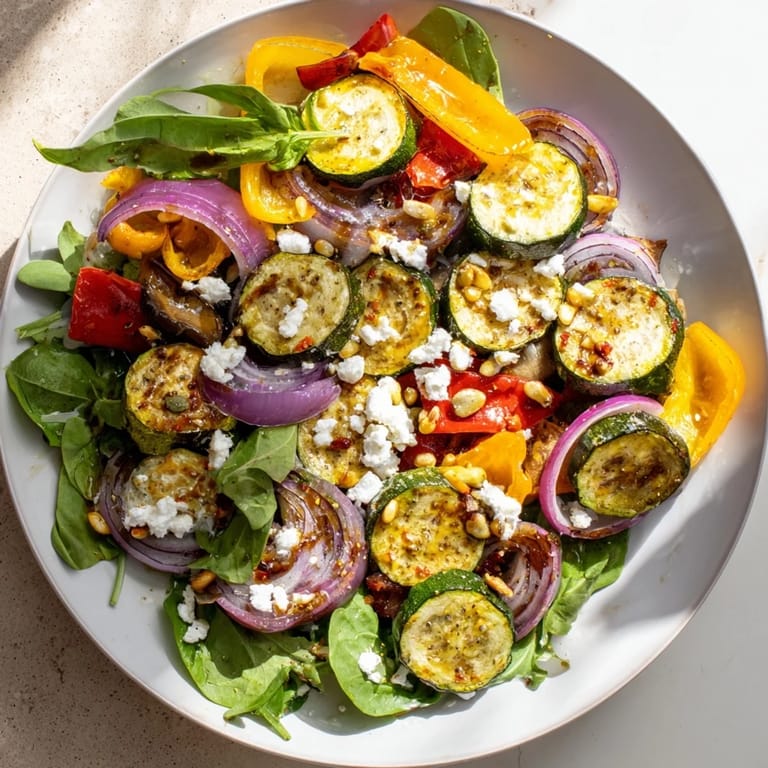
- Top greens with warm or cooled roasted vegetables, depending on whether you're eating immediately or not. Drizzle with balsamic dressing and scatter pine nuts and cheese over top if using.
 Save
Save There's a particular satisfaction in making something that feels special without much fuss, and this salad delivers that feeling every time. It's become my go-to dish for proving that vegetable-forward cooking doesn't mean sacrificing flavor or texture.
When to Serve Warm vs Cold
Eating this salad warm is honestly the best version, when the roasted vegetables are still releasing steam and the greens wilt just slightly from the heat. But if you're making it ahead or bringing it somewhere, room temperature works beautifully too and actually intensifies the flavors since nothing's competing with heat for your attention.
Making This Your Own
The vegetable combination here is genuinely just my favorite mix, but this is one of those recipes that actually improves when you swap things around based on what's in your kitchen or what the season is offering. Roasted sweet potatoes add earthiness, carrots bring sweetness, crispy Brussels sprouts add texture if you're feeling ambitious, and in winter I sometimes throw in roasted beets for color and a subtle earthiness that changes everything without changing the spirit of the dish.
Stretching This Into a Meal
On its own this is a generous side or a light lunch, but it becomes dinner with the smallest additions that actually make sense rather than feeling obligatory. Grilled chicken develops a beautiful char that echoes the roasted vegetables, flaked fish brings a delicate richness that doesn't overwhelm the greens, or a handful of chickpeas makes it substantial enough to feel like a complete meal without needing anything else.
- Crumbled goat cheese adds creaminess that balances the tangy dressing in ways Parmesan sometimes can't.
- A fried egg on top turns this into breakfast if you're the kind of person who eats warm salad for breakfast, and you should be.
- Leftover roasted vegetables keep for three days and make the best packed lunch because everything tastes even better the next day.
 Save
Save This recipe taught me that the best food doesn't always come from complicated instructions or hard-to-find ingredients, but from paying attention to timing and letting simple things be delicious. Make this whenever you need a reminder of that.
Recipe FAQ
- → What vegetables work best for roasting in this salad?
Zucchini, bell peppers, red onion, eggplant, and cherry tomatoes roast beautifully, offering a balance of sweetness and earthiness.
- → Can this salad be served cold?
Yes, it tastes great warm or at room temperature, making it versatile for different serving preferences.
- → How does the balsamic dressing complement the roasted vegetables?
The tangy balsamic vinegar paired with olive oil, garlic, and mustard adds brightness and depth, enhancing the vegetables’ caramelized flavors.
- → Are there suggested garnishes to add texture?
Toasted pine nuts or chopped walnuts provide a satisfying crunch, while shaved Parmesan or crumbled feta add a creamy note if desired.
- → Can this dish accommodate dietary restrictions?
It’s naturally vegetarian and gluten-free. For vegan options, skip cheese or use plant-based alternatives; nuts can be omitted for allergies.