 Save
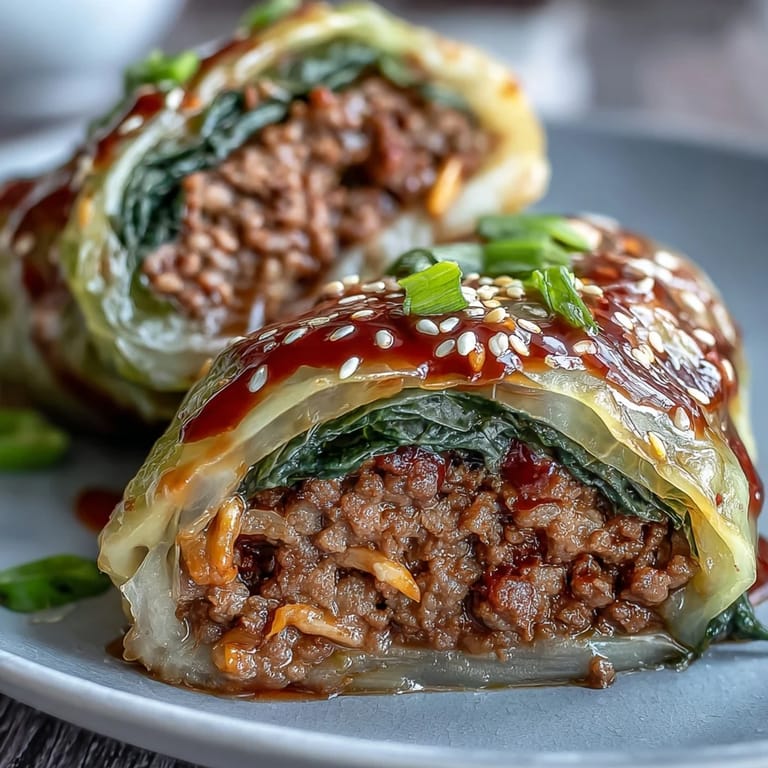
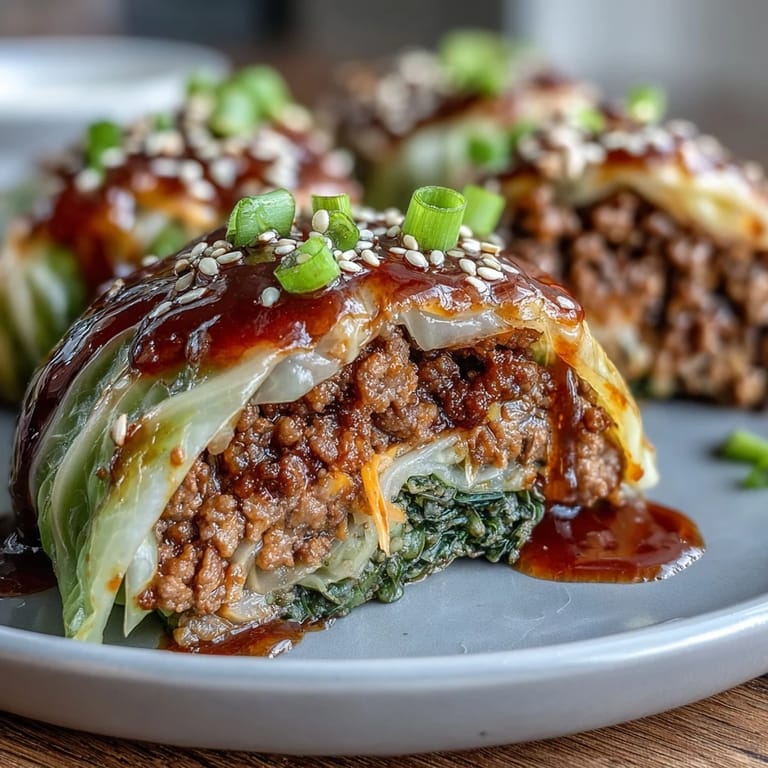
Save Opening my kitchen windows on a rainy afternoon, I decided to tackle cabbage rolls with a Korean twist, mostly because the market had these gorgeous heads of Napa cabbage calling my name. The sizzle of garlic and sesame oil always makes the whole apartment feel a little warmer, even before anything's hit the pan. I’d never combined gochujang with beef for a stuffing before, but something about the idea felt just right on a day when the weather begged for comfort food. There was a low hum from my radio, and I caught myself humming along, hands happily busy shredding vegetables and testing the heat of the chili paste. Simple, homey, and utterly satisfying: that’s the story of how these Korean cabbage rolls found their way onto my table.
I remember making a double batch of these for a spontaneous dinner with friends—we ended up crowded around my little kitchen island, each rolling cabbage leaves, trading stories, and sneaking extra tastes of the beef filling. There was flour everywhere, laughs echoing through the narrow space, and by the time we finished, the aroma had made even the neighbors hungry. It’s a dish that brings people in and makes them linger.
Ingredients
- Napa cabbage: Be gentle when separating the leaves—start from the base and peel slowly to keep them whole, as torn leaves make rolling tricky.
- Ground beef: Choose one with a little fat so the filling comes out juicy, not dry; I learned 80/20 works best.
- Green onions: Slice them thinly for even flavor that melts into the filling instead of overpowering it.
- Garlic: Mince it finely—big pieces can be intense, so even distribution is key.
- Carrot: Grated works far better than diced, both for tenderness and pretty flecks of orange.
- Fresh ginger: Grate it right into the meat for a peppery zing that’s essential for balance.
- Gochujang (Korean chili paste): Adds a gentle heat and depth—adjust by taste if you fear spice.
- Soy sauce: Brings umami into every bite; use a low-sodium version if you’re sensitive to saltiness.
- Sesame oil: Just a splash gives a toasty aroma—don’t skip it, the difference is real.
- Sugar: A teaspoon rounds out any sharp edges from the spices.
- Black pepper: Freshly ground makes each roll lively and bright.
- Toasted sesame seeds: Stir some in for crunch and sprinkle more on top for that signature look.
- For the dipping sauce: Soy sauce, rice vinegar, gochugaru (chili flakes), sesame oil, honey, minced garlic, and sesame seeds create a tangy, spicy accompaniment that people remember long after the meal ends.
Tired of Takeout? 🥡
Get 10 meals you can make faster than delivery arrives. Seriously.
One email. No spam. Unsubscribe anytime.
Instructions
- Prep the cabbage:
- Boil a big pot of water, then gingerly peel off large cabbage leaves and dunk them in for just a minute or two; once flexible, cool them quickly under cold water and pat dry—take your time, it’s oddly soothing.
- Make the filling:
- Mix the ground beef, green onion, garlic, carrot, ginger, gochujang, soy sauce, sesame oil, sugar, pepper, and sesame seeds in a bowl with your hands—feeling the texture shift as you go tells you when it’s well combined.
- Roll everything up:
- Lay each cabbage leaf out, scoop a couple spoonfuls of filling near the base, then tuck in the sides and roll up tightly (like a little blanket) so nothing escapes during steaming.
- Steam to perfection:
- Place cabbage rolls seam-side down in a steamer basket and give them a gentle steam for about 15–20 minutes, peeking in as the kitchen clouds up and the scent grows rich and inviting.
- Mix the dipping sauce:
- Whisk the soy sauce, rice vinegar, chili flakes, sesame oil, honey, garlic, and sesame seeds until glossy; the aroma alone will make your mouth water.
- Serve and enjoy:
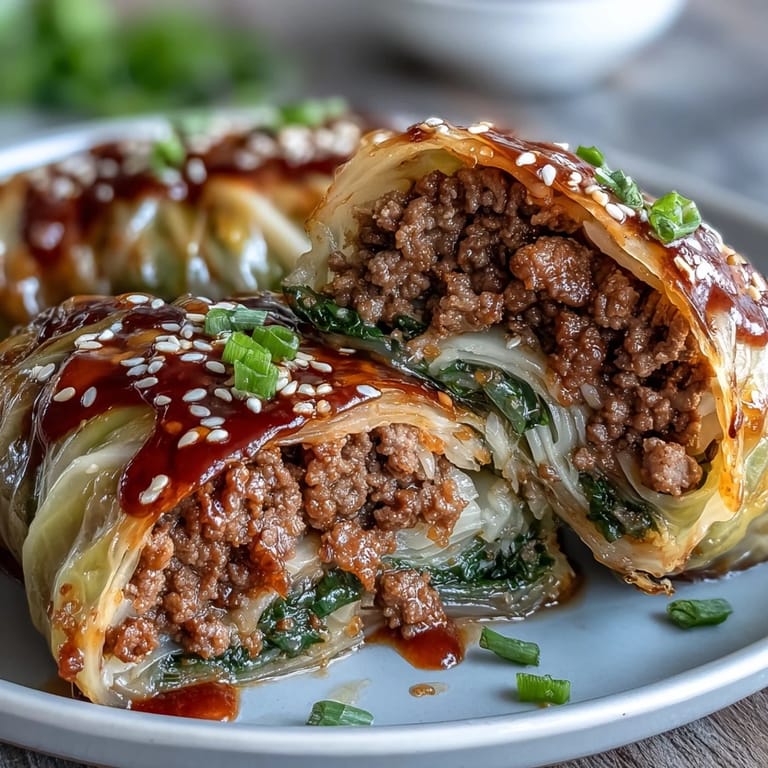
- Arrange the hot cabbage rolls on a platter, sprinkle with extra sesame seeds, and set out the sauce—let everyone dip and savor at their own pace.
 Save
Save One night, a lone leftover cabbage roll made the perfect midnight snack, and I remember realizing how much I love food that holds up even the next day. There’s a certain joy in discovering a dish that tastes like home—no matter the hour.
How To Customize Your Rolls
After some trial and error, I found that swapping beef for ground turkey makes a lighter version, while adding finely chopped mushrooms stretches the filling and boosts umami. The beauty of these rolls is how forgiving they are—you can tailor the spices or fillings and still end up with a deeply satisfying result. It’s become a handy catch-all for odd leftover veggies. Give it a shot with what you have, and you might find a new favorite combo.
Keeping Everything Neat In The Kitchen
Don’t fret about the occasional messy roll—if one splits, just double-wrap with another leaf and steam away. I’ve learned to lay out all the components and work in a little assembly line, which actually makes the process a breeze. Plus, doing this with friends or little helpers makes clean-up a team effort. Even when my kitchen erupts into chaos, it all comes together once the steamer lid comes off.
Serving And Sharing
I find these cabbage rolls taste best when served right from the steamer, though they’re every bit as lovely at room temperature. They make great party platters or lazy family dinners alike. For special occasions, I drizzle a little of the sauce on top just before setting them out.
- Don’t forget a pot of steamed rice or extra kimchi on the side.
- If making ahead, store rolls separately from the sauce to keep them firm.
- Leftovers reheat beautifully in a steamer the next day.
 Save
Save Let these Korean cabbage rolls bring some color and heat to your next meal—they’re tastier with good company and easy laughter. There’s nothing like a meal that brings everyone to the table, chopsticks ready and smiles wide.
Recipe FAQ
- → How long should I blanch the cabbage leaves?
Blanch whole leaves 1–2 minutes in boiling water until pliable but not limp, then cool in cold water and pat dry. Over-blanching makes leaves fragile and hard to roll.
- → Can I substitute the beef with another protein?
Yes. Ground pork or turkey are excellent swaps. Adjust seasoning and cooking time slightly: leaner meats may cook faster and benefit from a touch more oil or a small egg to bind.
- → What is the best steaming method?
Arrange rolls seam-side down in a steamer basket over simmering water, cover, and steam 15–20 minutes. Ensure water is simmering, not boiling vigorously, to prevent tearing leaves.
- → How can I reduce the heat level?
Use less gochujang and gochugaru, or swap gochujang for a milder chili paste. Add a bit more sugar or sesame oil to balance heat without changing texture.
- → How should leftovers be stored and reheated?
Cool rolls, place in an airtight container and refrigerate up to 3 days. Reheat gently in a steamer or microwave covered to retain moisture; avoid high heat that can dry the filling.
- → Are there good dipping sauce variations?
Yes. Try adding toasted sesame, thinly sliced scallion, a splash of citrus (yuzu or lime), or swap honey for a touch of brown sugar. For a creamy option, fold in a little tahini.