 Save
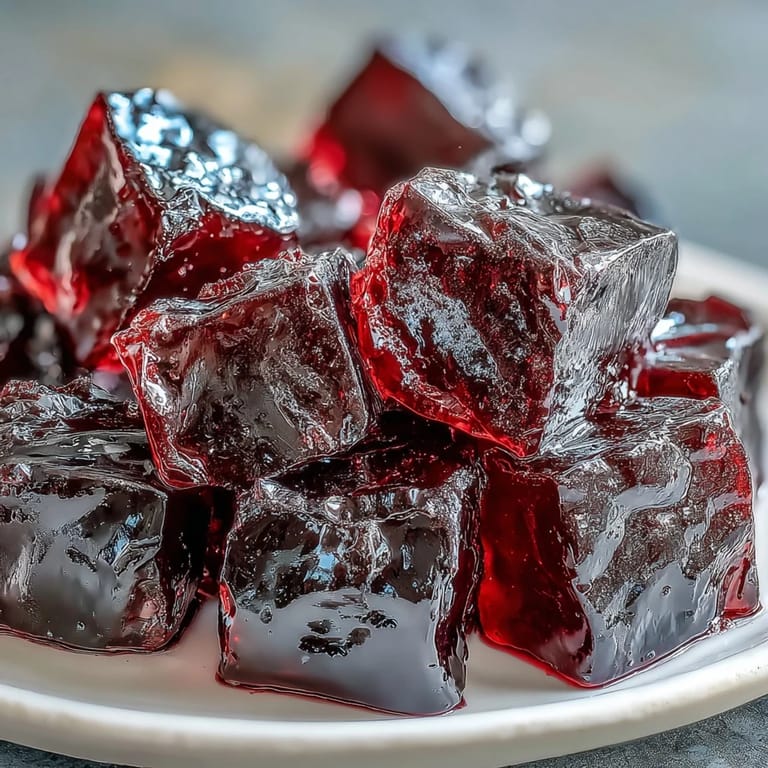
Save My grandmother kept a tin of black currant candies on her kitchen shelf, the kind that stained your tongue deep purple and left a whisper of licorice on your breath for hours. Years later, standing in my own kitchen with a bag of frozen black currants thawing on the counter, I wondered if I could capture that exact sensation—that balance of tart fruit and mysterious anise that made those childhood candies so addictive. What started as curiosity became an obsession with temperature readings and gelatin blooms, and somehow, I'd created something even better than memory.
I brought a batch to my book club, expecting polite nibbling, and instead watched five grown women fall silent mid-conversation, their eyes closing slightly as they processed the flavor. Someone asked if I'd made a mistake with the recipe, because the taste seemed impossible—how could something so simple taste so complex? That's when I knew this candy was worth every sticky minute of making it.
Ingredients
- Black currant purée (1 cup): This is your foundation, so use fresh or thawed frozen currants blended smooth and strained to remove seeds, which will otherwise catch between your teeth.
- Lemon juice (1 tablespoon): Brightens the currant flavor and prevents the candy from tasting flat or one-note.
- Granulated sugar (1 1/2 cups): The structure of your candy depends on this, so measure carefully.
- Light corn syrup or glucose syrup (1/2 cup): This prevents crystallization and keeps your candy chewy rather than grainy.
- Water (1/3 cup for syrup, 1/3 cup for gelatin): Keep these separate in your mind or you'll get confused mid-step.
- Powdered gelatin (3 tablespoons): The secret to that perfect chewiness that makes people ask if you bought these professionally.
- Licorice extract (1 1/2 teaspoons): Start conservative with this—it's potent, and you can always add more once you taste the mixture.
- Salt (1/4 teaspoon): A tiny amount that makes the licorice sing without announcing itself.
- Confectioners sugar and cornstarch (for coating): This prevents the pieces from sticking together and gives them a subtle matte finish that looks intentional.
Tired of Takeout? 🥡
Get 10 meals you can make faster than delivery arrives. Seriously.
One email. No spam. Unsubscribe anytime.
Instructions
- Prepare your pan:
- Line an 8x8-inch pan with parchment paper and give it a light grease—this step takes thirty seconds and saves you thirty minutes of frustration trying to extract a stuck candy slab.
- Bloom the gelatin:
- Sprinkle powdered gelatin over 1/3 cup cold water in a small bowl and let it sit undisturbed for 10 minutes, watching as it absorbs the liquid and becomes spongy. This is the most important step most people skip, and it's the difference between smooth candy and grainy candy.
- Warm the currant purée:
- In a medium saucepan, combine your black currant purée and lemon juice, then warm gently over low heat until steam rises softly. You want it warm but not hot, a temperature that would feel comfortable on your inner wrist.
- Make the sugar syrup:
- In a separate saucepan, combine granulated sugar, corn syrup, and 1/3 cup water, stirring constantly over medium heat until the sugar dissolves completely. Once it's clear, attach a candy thermometer and stop stirring—let the syrup bubble quietly until it reaches exactly 250°F, which will take about 8 to 10 minutes.
- Combine syrup and gelatin:
- Remove the syrup from heat and stir in your bloomed gelatin until it disappears completely into the hot liquid. The heat will melt it perfectly if you stir gently and patiently.
- Merge the mixtures:
- Pour the syrup-gelatin mixture into your warm currant purée slowly while whisking constantly, creating a smooth, homogeneous blend. If you rush this step, you'll end up with streaks of unmixed syrup, so take your time.
- Season and taste:
- Stir in the licorice extract and salt, then taste a tiny drop from a clean spoon—it will be hot, so blow on it first. Add more licorice extract if you want that flavor to be bolder.
- Pour into the pan:
- Working quickly before the mixture sets, pour everything into your prepared pan and spread it evenly with a spatula. Don't overthink it—rough or smooth, it all gets cut into squares anyway.
- Cool completely:
- Let the candy sit at room temperature for 1 to 2 hours until it's completely firm to the touch. Patience here means the difference between slicing cleanly and having a mess.
- Cut and coat:
- Mix confectioners sugar and cornstarch in a bowl, dust your cutting board generously, then turn out the candy slab and cut into 1-inch squares with a sharp knife. Toss each piece in the coating mixture until lightly dusted.
 Save
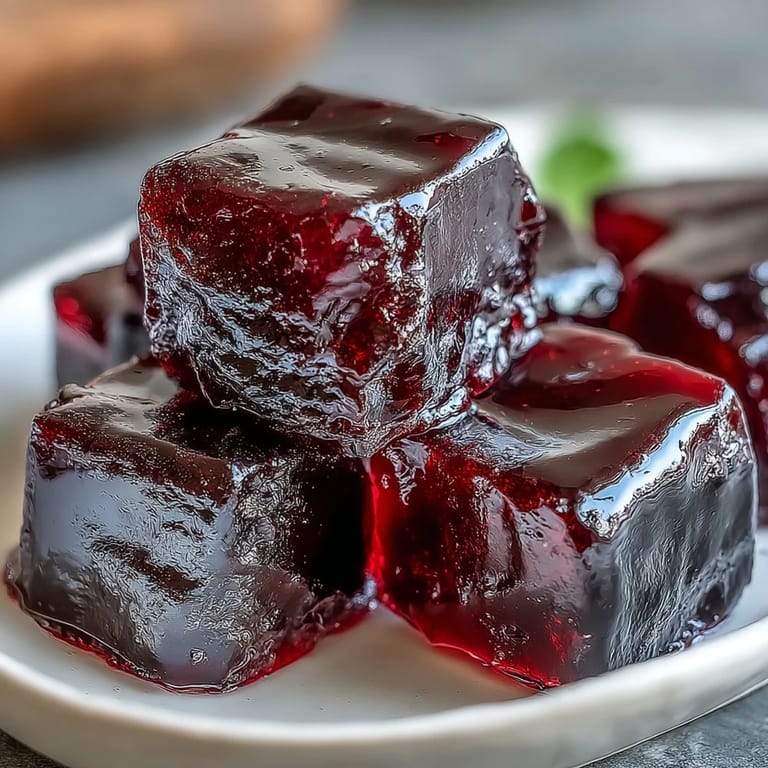
Save My daughter bit into one of these candies at the exact moment she was worried about a test at school, and afterward, she said the flavor was so interesting that it distracted her from anxiety—which is perhaps the most unexpected compliment a candy could receive. Sometimes food does more than nourish or satisfy; it gives your mind permission to pause.
The Licorice Question
Before you make this recipe, you need to decide how much you like licorice, because this is not a candy that hides its botanical personality. I grew up thinking licorice was something only old people and Scandinavians enjoyed, until one evening I tasted a proper licorice extract in candy form and understood the appeal—it's complex, slightly peppery, and oddly comforting. If you're unsure, start with the 1 1/2 teaspoons and taste the mixture before pouring; you can always add 1/2 teaspoon more of anise extract if the licorice flavor feels too subtle.
Why This Candy Works
The magic of this recipe lives in three things: the gelatin gives it a tender, pleasantly chewy texture that melts slightly on your tongue; the corn syrup prevents crystallization, keeping everything smooth; and the balance of tart black currant against aromatic licorice creates a flavor that feels sophisticated without being pretentious. Most people expect candy to be one-dimensional—purely sweet, purely fruity—so this combination surprises the palate in the best possible way.
Storage and Variations
These candies stay fresh for up to a week in an airtight container, though they rarely last that long in a house where people have discovered how good they are. I've experimented with swapping the black currant for black raspberry or blackberry purée, and while they're all delicious, black currant has a tartness that plays especially well with the licorice—it's the combination that makes this candy feel less like a novelty and more like something you'll actually crave.
- For a deeper licorice flavor that tastes almost herbaceous, add 1/2 teaspoon of finely ground licorice root powder directly to the warm currant mixture.
- If you find the candy too firm even after cooling, you added gelatin too long ago; make a note for next time and reduce it by 1/2 tablespoon.
- The coating prevents sticking, but if you live somewhere very humid, consider storing a silica packet in the container with your candies.
 Save
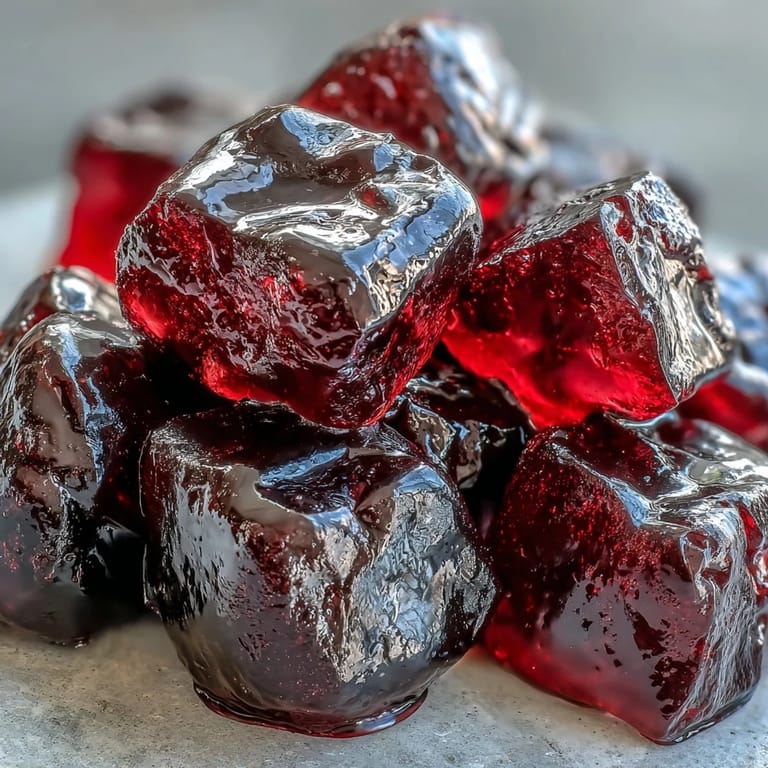
Save Making candy transforms you into someone patient and precise for an afternoon, which feels like a small gift to yourself. Once you taste what you've created, you'll understand why people have been making these since long before food blogs existed.
Recipe FAQ
- → What is the role of gelatin in this candy?
Gelatin acts as a gelling agent, providing the candy's chewy texture and helping it set evenly when cooled.
- → Can I substitute black currant with another fruit?
Yes, black raspberry or blackberry purée can be used as alternatives to achieve a similar flavor profile and texture.
- → Why is a candy thermometer important for this process?
A candy thermometer ensures the sugar syrup reaches the precise temperature needed to achieve the correct consistency and chewiness.
- → How can I intensify the licorice flavor?
Adding finely ground licorice root powder can deepen the licorice notes for a more intense taste experience.
- → What is the purpose of the cornstarch and confectioners sugar coating?
This coating prevents the candy pieces from sticking together and provides a delicate outer texture.