 Save
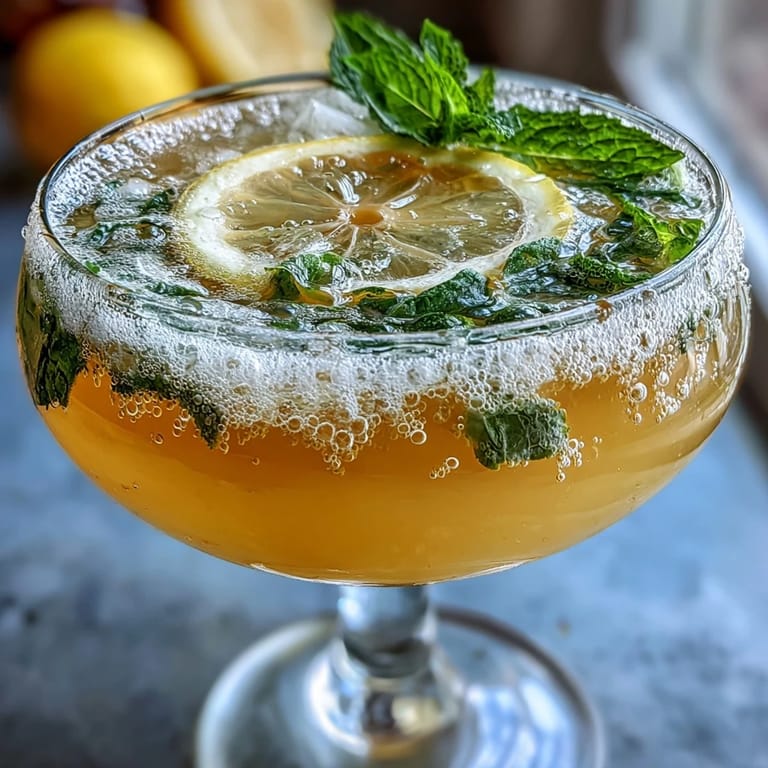
Save It was one of those early spring afternoons when I first tried making sparkling fermented lemonade, with sunlight spilling over the kitchen counter and the smell of fresh lemon zest clinging to my fingers. The first fizzing pop when I cracked open the bottle was startling enough that I actually laughed out loud, and it set the mood for the rest of the experience. There’s a thrill to homemade fermentation—the anticipation of daily checks, the gentle lift of the lid, and that tiny, satisfying hiss of escaping bubbles. Each batch has a personality all its own, and this one captured a cheerful tartness with just the right hint of honey. Somehow, the kitchen felt brighter for it.
One weekend, a friend dropped by, drawn in by the scent of lemons and the promise of a ‘magic drink’ in the making. We hovered over the jar, guessing how tart it would get and daydreaming about adding mint or ginger. Tasting the first glass together, catching the fizz tickling our noses, set off a chorus of surprised grins. It was a small, gleeful mess when someone poured too quickly and a spray of lemonade hit the counter. After that, ‘watch your pour’ became a kitchen inside joke.
Ingredients
- Lemons (8 large, juiced, about 1½ cups): Fresh, juicy lemons deliver the vibrant tartness—roll them on the counter first to get maximum juice out.
- Filtered water (1½ liters): Using filtered water yields a cleaner, more consistent ferment—chlorine in tap water can slow things down.
- Raw honey (120 g): Only unpasteurized honey will do, since it’s alive with beneficial microbes that kickstart the natural fizz.
- Fresh ginger (optional): Sliced ginger adds zip and a bit of warmth—just a few pieces go a long way.
- Fresh mint sprig (optional): Mint’s aroma makes the lemonade even more refreshing, perfect for a summer twist.
Tired of Takeout? 🥡
Get 10 meals you can make faster than delivery arrives. Seriously.
One email. No spam. Unsubscribe anytime.
Instructions
- Combine the Base:
- Pour the freshly squeezed lemon juice and cold filtered water into a large clean jar or pitcher. You’ll immediately catch that zesty lemon scent, bright and sharp.
- Dissolve the Honey:
- Add the raw honey, stirring gently but thoroughly until every grain disappears and the mixture looks silky.
- Add Flavors (Optional):
- If you like a little more character, slip in the ginger slices or a whole mint sprig—don’t be shy, the flavors will mellow during fermentation.
- Start the Ferment:
- Pour the mixture into a large glass jar, leaving some headspace for fizz; cover loosely or use an airlock if you have one to let gases escape safely.
- Wait and Watch:
- Set the jar somewhere calm, away from direct sun—check it daily for bubbles and give it a small taste after day two for that tangy magic.
- Bottle and Chill:
- Once it’s lightly fizzy and tastes just right (usually day three), carefully funnel into swing-top bottles, seal tightly, and refrigerate at least four hours so the flavors blossom and the bubbles firm up.
- Serve:
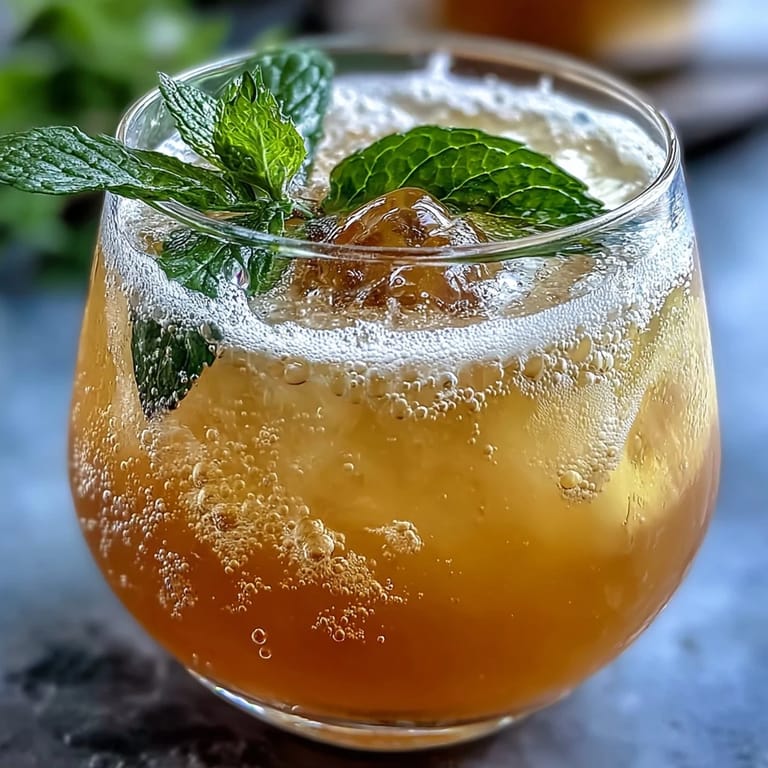
- Pour gently over ice, listening for that gentle crackle—sip, smile, and savor the homemade sparkle.
 Save
Save  Save
Save I’ll never forget serving this lemonade on a sweltering day—the kind where glasses sweat faster than you can fill them. That simple, sparkling drink turned a slow afternoon into a mini celebration, and even the youngest at the table loved the gentle pop and tang. It’s now firmly requested for picnics and family brunches alike.
Getting Creative with Flavors
Once you’ve nailed the basic fizz, this lemonade is the perfect canvas for little twists. Swapping in a handful of crushed berries or a few fresh basil leaves can take the flavor in a whole new direction. Even a pinch of sea salt rounds out the tartness and deepens the sip. On the fly, I’ve thrown in orange zest when lemons ran low, creating a batch so fragrant it perfumed the whole kitchen.
The Right Tools Make All the Difference
Two things really matter here: a spotless jar and a reliable swing-top bottle. Any leftover dish soap or food bits can ruin a ferment, so I always rinse everything with boiling water first. A proper citrus juicer saves your wrists and gets every golden drop, and if you have a fermentation airlock, that’s extra peace of mind for avoiding spills.
Troubleshooting Your Fizz: Tips from Experience
Fermentation can sometimes stall or get over-eager—room temperature plays a big role. If it seems sluggish, I move the jar closer to a (not hot) oven or wrap it in a towel for gentle warmth. If your lemonade tastes flat after two days, give it a little longer or borrow a spoonful of finished ferment from a previous batch to spark it. Keep an eye on the pressure—once I left bottles out too long and got a messy fizzy fountain!
- Chill bottles thoroughly to build up carbonation safely.
- Add flavorings only after the honey is fully dissolved for even sweetness.
- When in doubt, open bottles over the sink, just in case.
 Save
Save  Save
Save There’s something truly special about sipping a glass and knowing every bubble comes from your own kitchen. Here’s to bright, tart refreshment and the little rituals that make it your favorite.
Recipe FAQ
- → How long should I ferment the lemonade?
Ferment at room temperature for 2–3 days, tasting daily. Shorter time gives a milder tang and less fizz; up to 4 days can increase effervescence but monitor pressure closely.
- → How can I increase the natural fizz?
Use fully sealed swing-top bottles for secondary fermentation and leave them at room temperature until you reach the desired effervescence. Ensure there is some fermentable sugar (raw honey) and avoid overfilling bottles to reduce the risk of pressure build-up.
- → Can I use regular pasteurized honey instead of raw honey?
Raw, unpasteurized honey contains natural sugars and wild yeasts that encourage fermentation. Pasteurized or processed honey may not ferment reliably, so raw honey is recommended for consistent results.
- → What are safe bottle-handling practices after fermentation?
Chill bottles before opening to slow fermentation and reduce pressure. Open bottles over a sink and release pressure gradually—unscrew slightly to let gas escape, then open fully once fizz has settled.
- → How long will the finished drink keep in the fridge?
Refrigerated, the drink will keep for 1–2 weeks, though flavor and fizz may continue to evolve slowly. Keep bottles chilled and consume within a reasonable timeframe for best freshness.
- → What flavor additions work well?
Fresh ginger, mint, berries or a pinch of sea salt complement the lemon and honey. Add these during primary fermentation for subtle infusion or after bottling for brighter, more pronounced notes.