 Save
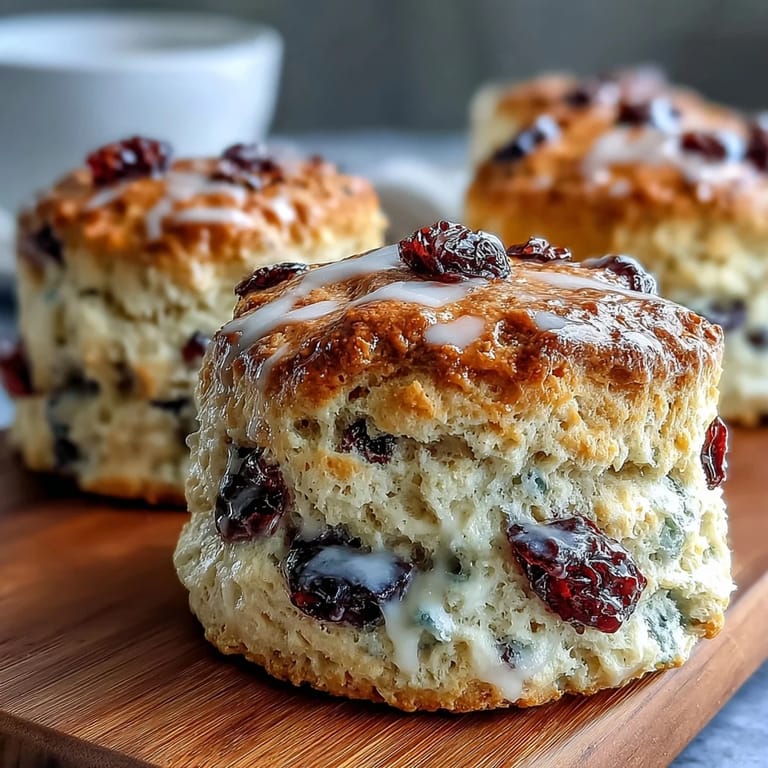
Save My sourdough starter had been sitting neglected in the fridge for weeks when I realized I had a small pile of discard that needed rescuing. Rather than toss it, I wondered what would happen if I baked it into something sweet—and that's how these blueberry lemon scones stumbled into existence on a gray Tuesday morning. The tang from the sourdough paired so unexpectedly well with bright lemon and sweet blueberries that I've been making them ever since, usually on days when I need something that feels both comforting and a little bit fancy.
I brought these to a small brunch gathering last spring, nervous that the sourdough twist might be too experimental. Instead, a friend took one bite and just closed her eyes, then asked for the recipe before she'd even finished chewing. That moment taught me that sometimes the best dishes come from happy accidents and a willingness to use what's already sitting in your kitchen.
Ingredients
- All-purpose flour (2 1/4 cups): This is your structure, so don't skip measuring by weight if you can—it makes the scones more consistent and tender every time.
- Granulated sugar (1/4 cup): Just enough sweetness to let the fruit and lemon shine without overpowering them.
- Baking powder and baking soda (1 tablespoon and 1/2 teaspoon): These work together to give you that perfect lift and slight crumb without needing yeast.
- Fine sea salt (1/2 teaspoon): A pinch that awakens all the other flavors—never skip this.
- Lemon zest (from 1 large lemon): Fresh zest makes all the difference; bottled just won't give you that same brightness.
- Cold unsalted butter (1/2 cup, cubed): Keep it cold until the last second; warm butter ruins the tender crumb you're after.
- Sourdough discard (1 cup, room temperature): Use unfed discard from your starter—it adds tang and moisture without the yeast activity.
- Heavy cream (1/4 cup plus brushing): The richness here balances the sourdough's tartness beautifully.
- Egg (1 large): Your binder and what gives the tops that golden shine.
- Vanilla extract (1 teaspoon): A small note that rounds out all the citrus flavors.
- Freshly squeezed lemon juice (2 tablespoons): Never use bottled—the fresh juice brings actual brightness to the dough.
- Fresh or frozen blueberries (1 cup): Frozen straight from the bag actually work better here because they don't bleed into your dough.
- Coarse sugar (2 tablespoons, optional but worth it): This creates little pockets of crunch on top that catch the light.
Tired of Takeout? 🥡
Get 10 meals you can make faster than delivery arrives. Seriously.
One email. No spam. Unsubscribe anytime.
Instructions
- Get your oven ready and gather your ingredients:
- Preheat to 400°F and line a baking sheet with parchment paper so your scones won't stick. Have everything measured and ready because once you start mixing, you want to work quickly.
- Combine the dry ingredients:
- In a large bowl, whisk together flour, sugar, baking powder, baking soda, salt, and lemon zest until everything is evenly distributed. The zest will perfume the whole mixture, and you'll know you did it right when it smells bright and fresh.
- Work in the cold butter:
- Add cubed cold butter and use a pastry blender, fork, or even your fingertips to break it into the flour until it resembles coarse breadcrumbs with some pea-sized pieces still visible. Those butter bits are what creates those tender layers, so don't overwork this step.
- Mix the wet ingredients together:
- In a separate bowl, whisk sourdough discard, cream, egg, vanilla, and lemon juice until smooth and combined. It should look like a loose batter rather than anything thick.
- Bring wet and dry together gently:
- Pour the wet mixture into the dry ingredients and stir with a spoon or wooden spoon just until everything comes together into a shaggy dough—this is not the time to be thorough. Overmixing develops gluten and ruins your tender crumb.
- Fold in the blueberries:
- Use a gentle hand to fold the berries in, keeping them whole and distributed throughout. If you're using frozen berries, add them straight from the freezer to prevent the dough from turning purple.
- Shape your dough:
- Turn the dough out onto a lightly floured surface and pat it into a circle about 1 inch thick and 7 inches across. Think of it more like gently pressing than kneading—you want to keep those air pockets intact.
- Cut into wedges:
- Use a sharp knife or bench scraper to cut the circle into 8 equal wedges, like you're cutting a pizza. Transfer each one to your prepared baking sheet with a little space between them so they bake with room to expand.
- Finish the tops:
- Brush the tops lightly with a little extra cream and sprinkle with coarse sugar if you're using it. This creates a beautiful golden crust and adds texture.
- Bake until golden:
- Bake for 18 to 22 minutes until the tops are golden brown and a toothpick inserted into the thickest part comes out clean. The smell halfway through will almost drive you to open the oven early, but resist.
- Cool gently:
- Let them rest on the baking sheet for about 5 minutes so they set slightly, then transfer to a wire rack. This prevents them from getting soggy on the bottom.
 Save
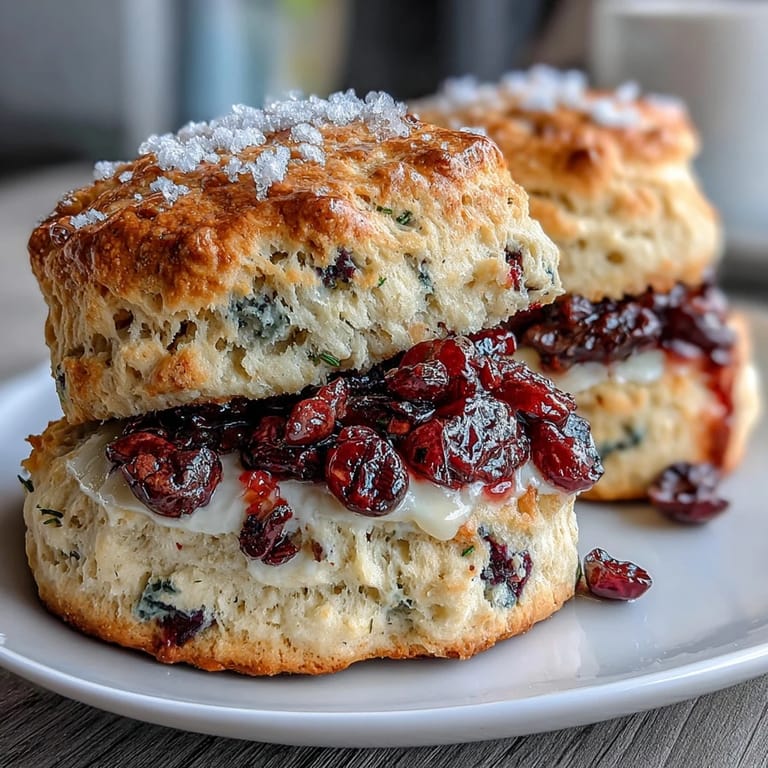
Save There's something almost meditative about the moment when you pull these scones from the oven and the kitchen fills with that perfect blend of tangy sourdough, bright lemon, and sweet blueberry. It's become my quiet victory moment, even on mornings when nothing else goes right.
Why Sourdough Discard Is Your Secret Weapon
Using sourdough discard in baking feels like you're in on a chef's secret—it adds flavor and moisture without any of the fussiness of managing active starter. The slight tang sits in the background, making all the other flavors pop in a way they wouldn't in a plain scone. I started doing this specifically because I was tired of throwing away perfectly good starter, and it turns out my waste became my best ingredient.
The Lemon Zest Makes All the Difference
Real lemon zest—not the bottled stuff—brings a brightness that feels almost alive in the dough. I learned this the hard way by trying the pre-ground version once, and the scones were noticeably less vibrant. Now I zest my lemon right over the bowl so those tiny oils scatter through the flour, and it changes everything about how these scones taste.
Storage, Variations, and Next Steps
These scones are best eaten fresh and warm, but they'll keep in an airtight container for a couple of days if you need them to. A simple lemon glaze drizzled over the cooled scones takes them from lovely to extraordinary, or you can serve them with clotted cream and jam like they do in England. I've also experimented with replacing the cream with buttermilk, which leans even harder into the tangy profile if that's your preference.
- For an extra-special touch, dust the finished scones with a touch of powdered sugar right before serving.
- If you don't have sourdough discard, Greek yogurt mixed with a splash of lemon juice can work in a pinch, though you'll lose that signature tang.
- Make these scones in advance and reheat them gently in a 300°F oven for 5 minutes to bring back their crumbly texture.
 Save
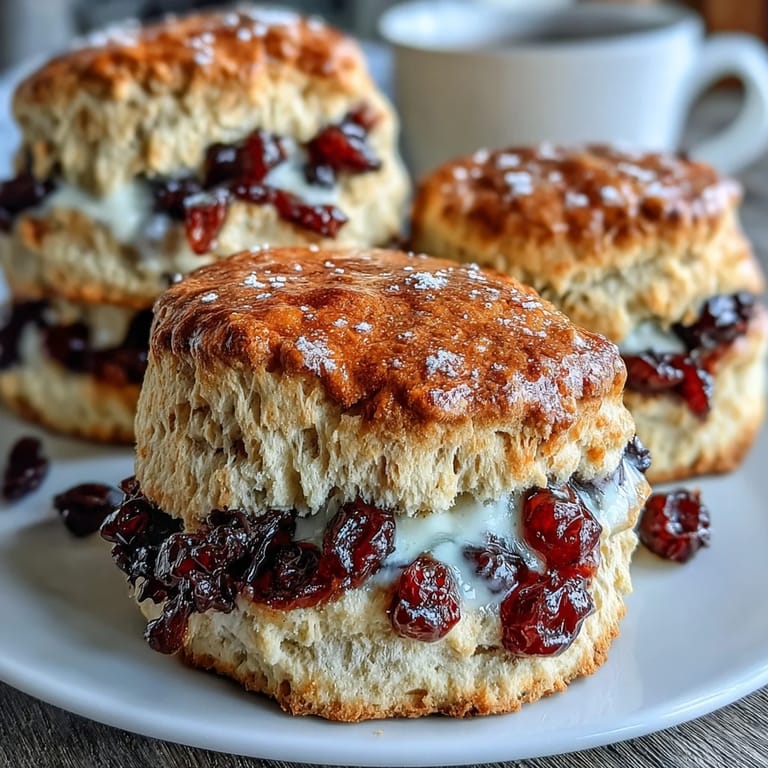
Save These scones have become my answer to those mornings when I want something that tastes like a bakery visit but takes less time than a shower. I hope they become part of your kitchen rotation too.
Recipe FAQ
- → Can I use frozen blueberries?
Yes, fold frozen blueberries directly into the dough without thawing to prevent bleeding and maintain vibrant color.
- → What does sourdough discard add to the dough?
The sourdough discard contributes a mild tang and tender texture, enhancing the flavor complexity of the scones.
- → How can I make the lemon flavor more pronounced?
For extra brightness, drizzle a simple lemon glaze made from powdered sugar and lemon juice after the scones cool.
- → Is there an alternative to heavy cream in the dough?
Buttermilk can be substituted for cream, adding a slightly different tang while maintaining moisture and richness.
- → What baking tools are essential for this preparation?
A pastry blender or fork for cutting butter into flour, mixing bowls, a whisk, baking sheet, parchment paper, and a knife or bench scraper for shaping.