 Save
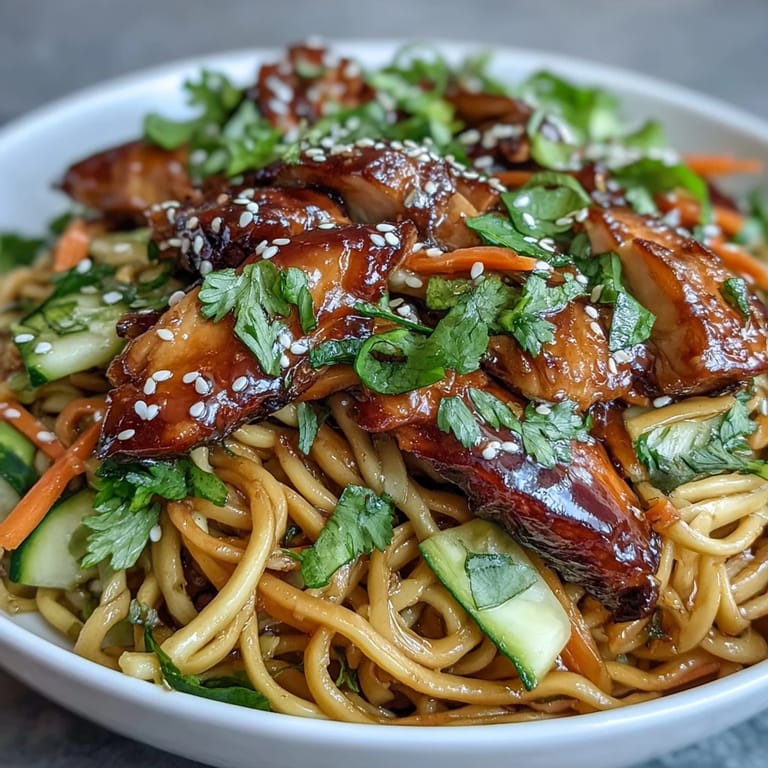
Save My kitchen smelled like garlic and sesame before I even realized I was hungry. I had come home with a bag of rice noodles and a vague craving for something bright and savory, the kind of meal that wakes up your senses instead of weighing you down. There was no plan, just a handful of vegetables in the crisper and chicken thighs I had meant to use yesterday. What came together in that wok was better than anything I could have ordered, and I have been making this bowl ever since.
I made this for a friend who swore she did not like rice noodles. She finished her bowl before I sat down with mine, then asked if there were seconds. We ended up sitting on the kitchen floor with our bowls, lime wedges piled on a plate between us, talking until the noodles went cold. That is when I knew this was not just another weeknight dinner.
Ingredients
- Boneless, skinless chicken breast or thighs: Thighs stay juicier and more forgiving if you overcook them slightly, but breasts work beautifully if sliced thin and not left in the pan too long.
- Tamari: This gluten-free soy sauce has a deeper, less salty flavor than regular soy sauce, and I find it makes the whole dish taste more rounded.
- Fish sauce: It smells strong in the bottle, but it adds an umami richness that tamari alone cannot match, just a tablespoon transforms everything.
- Rice vinegar: The gentle acidity brightens the sauce without making it sharp, balancing the honey and sesame oil perfectly.
- Honey: A touch of sweetness rounds out the salty and tangy elements, and it helps the chicken caramelize slightly in the pan.
- Toasted sesame oil: Use the dark, aromatic kind, it is nutty and fragrant and a little goes a long way.
- Garlic and ginger: Freshly minced garlic is non-negotiable, and ginger adds warmth, though you can skip it if you are out.
- Chili flakes or Sriracha: I like a little heat, but this is optional and easily adjustable based on who you are feeding.
- Rice noodles: They cook fast and soak up the sauce beautifully, but wheat noodles work too if that is what you have.
- Carrot, cucumber, bell pepper, spring onions, bean sprouts: These add crunch, color, and freshness, and you can swap in snap peas, cabbage, or edamame without changing the spirit of the dish.
- Cilantro: I know some people taste soap, but if you love it, it adds a bright herbal note that ties everything together.
- Toasted sesame seeds and lime wedges: The seeds add texture, and lime juice at the end is the final pop of flavor that makes each bite sing.
Tired of Takeout? 🥡
Get 10 meals you can make faster than delivery arrives. Seriously.
One email. No spam. Unsubscribe anytime.
Instructions
- Make the marinade and sauce:
- Whisk tamari, fish sauce, rice vinegar, honey, sesame oil, neutral oil, garlic, and ginger in a bowl until the honey dissolves. Pour half into a separate small bowl and set aside for later.
- Marinate the chicken:
- Add the sliced chicken to the remaining marinade, toss to coat, and let it sit for 15 minutes while you prep everything else. This step adds flavor and keeps the meat tender.
- Cook the noodles:
- Boil the rice noodles according to the package directions, usually just a few minutes. Drain them, rinse under cold water to stop the cooking, and set aside so they do not clump.
- Cook the chicken:
- Heat a large skillet or wok over medium-high heat, add the marinated chicken in a single layer, and cook for 5 to 7 minutes, stirring occasionally, until browned and cooked through. Remove from heat.
- Assemble the bowls:
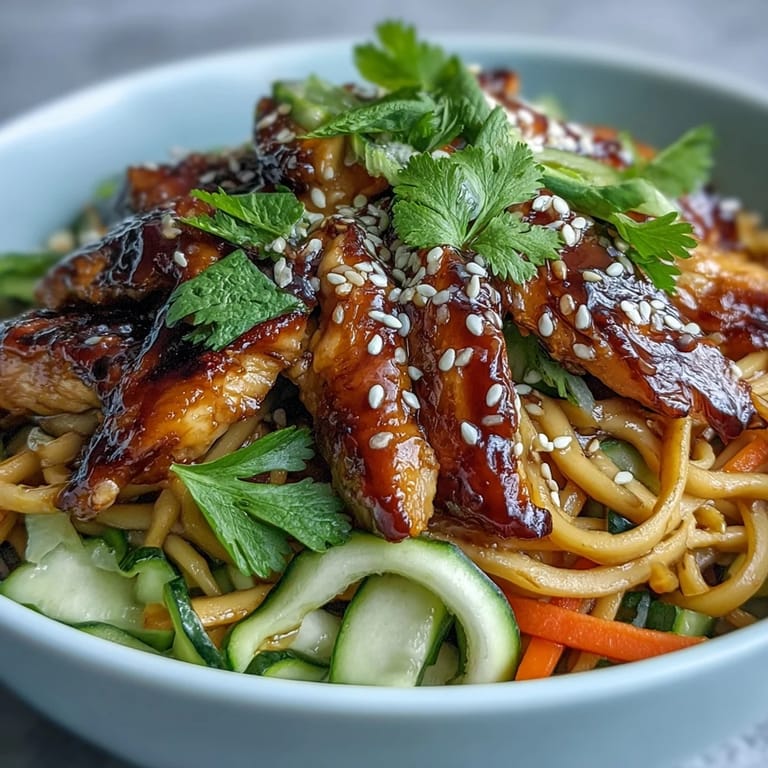
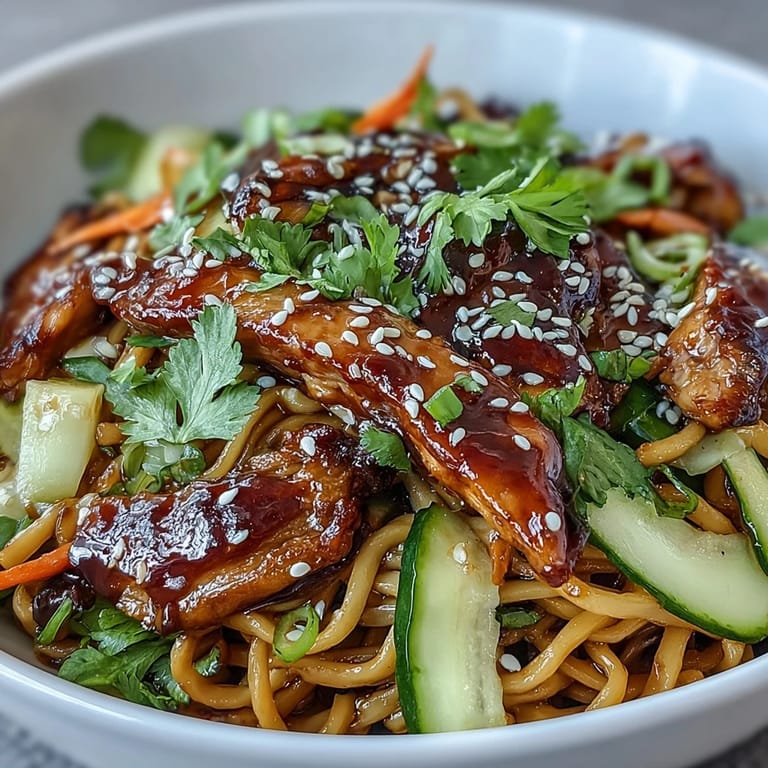
- Divide the noodles among four bowls, then arrange the cooked chicken and all the fresh vegetables on top in sections. Drizzle the reserved sauce over everything, then sprinkle with cilantro, sesame seeds, and a squeeze of lime.
- Serve:
- Eat immediately while the chicken is warm and the vegetables are still crisp. Pass extra chili flakes or Sriracha at the table for anyone who wants more heat.
 Save
Save One evening I served this to my brother, who usually eats in silence and leaves. He paused halfway through, looked up, and asked what was in the sauce. When I told him, he wrote it down on his phone. It is moments like that, small and unexpected, that remind me why I cook.
How to Customize Your Bowl
This recipe is a template more than a rigid formula. I have made it with shrimp instead of chicken, tossed in sugar snap peas when I had them, and once used soba noodles because that is what was in the cupboard. The sauce stays the same, and everything else bends to what you have on hand. If you want it vegetarian, swap the chicken for crispy tofu and use a vegetarian fish sauce or just add an extra splash of tamari.
What to Do with Leftovers
Leftover noodle bowls are tricky because the noodles soak up all the sauce and lose their texture. I have learned to store the components separately, noodles in one container, chicken and vegetables in another, and extra sauce in a small jar. The next day, I refresh the noodles with a quick rinse under warm water, toss everything together, and add a squeeze of fresh lime. It is not quite as vibrant as the first serving, but it is still better than most lunches.
Pairing and Serving Suggestions
I usually serve this on its own because it is already a complete meal, but sometimes I set out a plate of cucumber slices with a sprinkle of salt or a small bowl of pickled radishes on the side. If you are serving it for guests, a pot of green tea or a chilled dry Riesling works beautifully. The wine has enough acidity to match the lime and vinegar without overpowering the sesame and ginger.
- Add a soft-boiled egg on top for extra richness and protein.
- Serve with a side of steamed edamame sprinkled with sea salt.
- Finish with sliced mango or pineapple for a sweet, refreshing contrast.
 Save
Save This bowl has become my answer to long days and empty fridges, proof that good food does not need to be complicated. I hope it finds a place in your kitchen the way it has in mine.
Recipe FAQ
- → Can I make this dish ahead of time?
Yes, prepare the components separately in advance. Store cooked chicken, noodles, and sauce in airtight containers for up to 3 days. Reheat gently and assemble just before serving to maintain texture.
- → What noodles work best for this bowl?
Rice noodles are traditional and gluten-free, but wheat noodles, soba, or even spaghetti work well. Cook according to package directions and rinse thoroughly to prevent sticking.
- → How can I make this vegetarian?
Replace chicken with firm tofu or tempeh. Use vegetarian fish sauce or additional tamari, and consider adding mushrooms or edamame for extra protein depth.
- → Can I adjust the spice level?
Absolutely. Start with a small amount of chili flakes or Sriracha in the sauce, then serve additional heat on the side. Fresh chilies or chili oil also work as garnishes.
- → What other vegetables can I add?
Snap peas, shredded cabbage, bok choy, mushrooms, or spinach all complement the flavors. Add heartier vegetables during cooking and delicate greens like spinach just before serving.
- → Is the sauce customizable?
The sauce is quite flexible. Reduce honey for less sweetness, add more rice vinegar for tang, or increase sesame oil for nuttiness. Fresh herbs like Thai basil or mint make lovely additions.