 Save
Save I'll never forget the first time I saw a grape cluster arranged like this at a vineyard event in Tuscany. A local chef had stacked these gorgeous cascading grapes on a wooden board, and I watched guests gravitate toward it like it was edible art. The simplicity of it struck me—no complicated techniques, just perfectly ripe grapes arranged with intention. When I got home, I recreated it for a dinner party, and it became the conversation piece of the evening. Now it's my go-to when I want to impress without spending hours in the kitchen.
I served this at a wine tasting last summer, and watching people reach for the grapes while sipping crisp white wine felt like hosting a mini European getaway. One guest told me it reminded her of vacations she'd taken, and suddenly the whole spread meant more than just food—it transported everyone to a moment they cherished.
Ingredients
- 600 g seedless green grapes: The foundation of your cascade. Green grapes give you a fresh, crisp base and stay firm longer than red varieties, so they won't roll around as much while you're arranging.
- 600 g seedless red or black grapes: These add visual drama and depth. I've learned that using both colors and alternating them in rows creates an almost jewel-like effect that draws people in.
- 1 rustic baguette or 10–12 breadsticks: This becomes your grapevine stem. I prefer a baguette with a slight angle cut because it feels more organic, like a real vine catching light. If you go with breadsticks, line them up loosely for a more natural appearance.
- 150 g thin salami sticks (optional alternative): This is my secret weapon when I want something less bread-heavy or for guests avoiding gluten. The salty, rich flavor against sweet grapes is a flavor contrast that works beautifully.
- Fresh thyme, rosemary, or grape leaves: These aren't just decoration—they add an herbal aroma that cues guests that this is a deliberate, thoughtful arrangement. A few sprigs tucked around the base elevate the whole presentation.
Tired of Takeout? 🥡
Get 10 meals you can make faster than delivery arrives. Seriously.
One email. No spam. Unsubscribe anytime.
Instructions
- Prepare Your Grapes with Care:
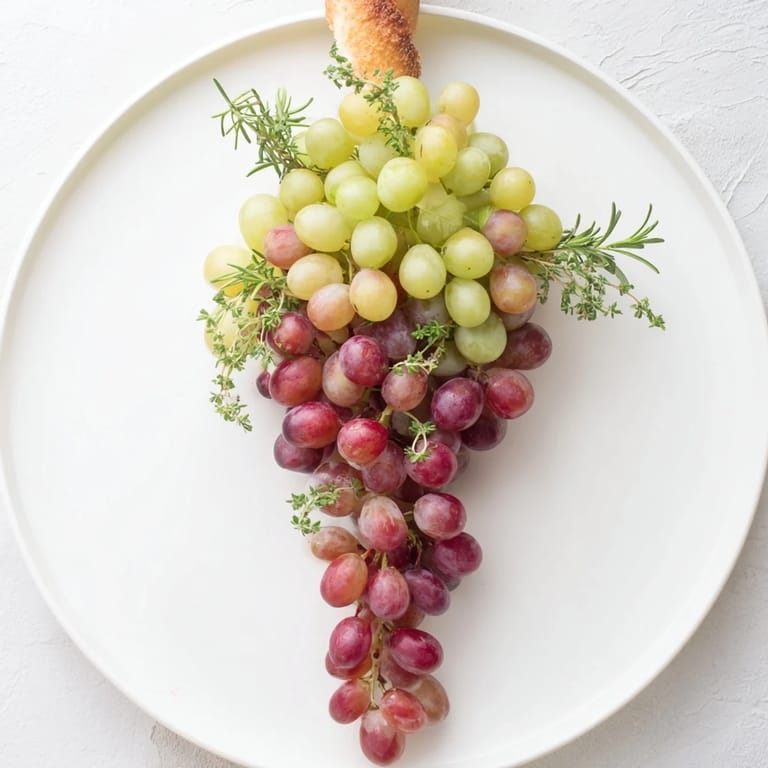
- Wash each grape gently under cool water and pat them completely dry with a clean kitchen towel. Any moisture will cause them to slip around on your board. Leave small clusters of three to five grapes attached where possible—this gives your final arrangement a more organic, vineyard-fresh look rather than uniform individual grapes.
- Shape Your Cascade:
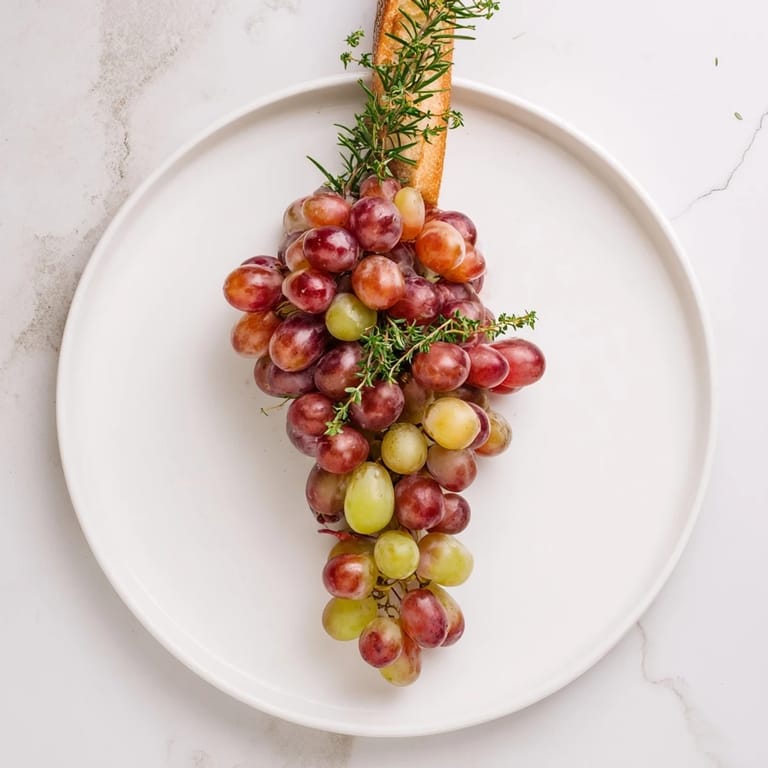
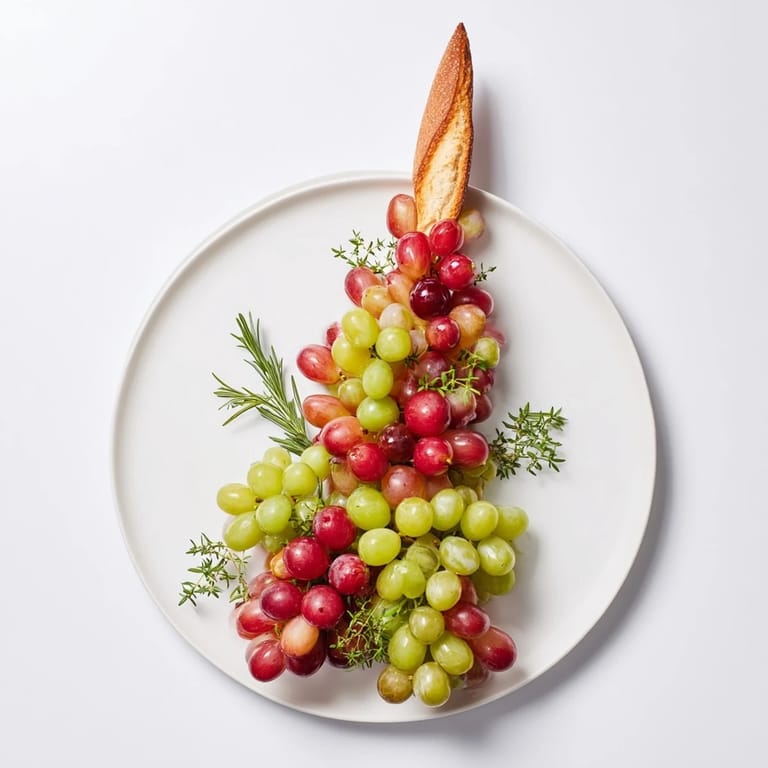
- On a large platter or wooden board, start arranging your dried grapes in a teardrop or cluster shape, beginning wide at the bottom and gradually tapering as you move upward. Think of an inverted waterfall. I like to alternate my green and red grapes in subtle rows as I build upward—it creates visual interest without looking forced. This part takes patience, but it's meditative.
- Create Your Stem:
- At the narrow top of your grape cluster, position your baguette (cut at a gentle angle if you like) or line up your breadsticks or salami sticks. They should look like they're naturally emerging from the grapes, like a vine stem. Take a moment to step back and see how it looks from your guests' perspective.
- Add the Finishing Touches:
- Tuck fresh herb sprigs or grape leaves around the base of the cluster and along the stem. This adds both realism and aroma—when guests lean in to grab grapes, they'll catch that herbaceous scent. It's a sensory detail that makes the whole experience richer.
- Serve with Confidence:
- Place your creation where it will be the focal point. Serve immediately so the grapes are at their crispest and coldest. Let guests know they can pull off grapes and bread pieces as they wish—it's meant to be interactive and fun.
 Save
Save What I love most about this dish is that it bridges the gap between being practical and being poetic. It's just grapes and bread, ingredients anyone can find, but when you arrange them with intention, guests see artistry. I've had people tell me it's too beautiful to eat, then watch them eagerly pluck grapes moments later—that moment of hesitation before pleasure is exactly what good food should create.
Why This Works for Every Occasion
Whether you're hosting a formal wine tasting, a casual summer gathering, or a holiday party, this arrangement adapts beautifully. I've made it for intimate dinners where it sits in the center of the table like edible art, and for larger events where guests help themselves throughout the evening. The beauty is that it requires no heating, no last-minute plating, and no kitchen stress. You can prepare it an hour ahead if needed, just cover it loosely with plastic wrap and keep it cool. It's the kind of dish that makes you feel like a thoughtful host without demanding that you be a skilled cook.
Making It Your Own
This recipe is a canvas for your own creativity and dietary needs. I've added cubes of aged cheddar or gouda tucked among the grapes for guests who want something savory and rich. Some of my friends who avoid bread use only the salami version, and it's just as striking. The herb choices matter too—Italian herbs feel rustic and European, while a touch of lavender or mint gives it a contemporary twist. Think about what flavors you love with grapes and wine, then lean into those.
- For a gluten-free version, swap breadsticks for gluten-free options, or use only salami for a completely grain-free presentation
- Try interspersing small cubes of mild cheese, candied nuts, or even thinly sliced prosciutto among the grapes for texture and flavor variation
- Use the herb arrangement to signal the season—thyme and rosemary for fall, fresh mint for spring, grape leaves always for that vineyard connection
Pairing and Serving Wisdom
I've learned that the beverage you serve alongside this matters as much as the arrangement itself. Crisp white wines like Pinot Grigio or Sauvignon Blanc are natural companions—the acidity cuts through any richness from the bread or salami, while the wine's minerality echoes the cool freshness of the grapes. Sparkling rosé brings festivity and elegance. Even a chilled sparkling water with lemon works beautifully for non-alcoholic gatherings. The key is serving everything cold—when the grapes are chilled and the wine is crisp, they elevate each other. I usually serve the bread or salami on small plates nearby so guests aren't trying to balance a full platter while also holding a wine glass. This small detail makes the whole experience feel more gracious and guest-friendly.
- Keep the grapes cold until serving by storing them in the refrigerator, and consider placing the platter on a bed of ice if your party runs long
- Offer small plates or napkins nearby so guests can comfortably enjoy pieces of bread or salami alongside the grapes
- Pair with beverages that are equally cold and crisp—temperature consistency enhances the entire experience
 Save
Save This dish reminds me that the most memorable entertaining moments come from thoughtfulness, not complexity. Every time you create this, you're sharing something beautiful with the people you care about.
Recipe FAQ
- → How do I keep grapes fresh and looking appealing?
Use seedless grapes and wash them thoroughly, then dry completely to prevent sogginess. Keeping small clusters intact helps maintain a natural look.
- → What are good options for the stem component?
Rustic baguette halves, thin breadsticks, or thin salami sticks work well to mimic a grapevine stem and add texture variety.
- → Can I customize this cluster for dietary preferences?
Yes, using a bread stem keeps it vegetarian. For gluten-free needs, opt for gluten-free breadsticks or use only salami for the stem.
- → How can I enhance flavor and presentation?
Add fresh herbs like thyme or rosemary around the cluster for aroma and visual appeal. Interspersing cheese cubes or nuts adds contrast and complements the grapes.
- → What occasions suit this dish best?
Ideal for wine tastings, party platters, or as a unique edible centerpiece for gatherings requiring a visually appealing, no-cook option.
- → How should I serve this cluster to guests?
Place on a large platter or wooden board and encourage guests to pull off grapes and pieces of the stem for a casual, interactive experience.